




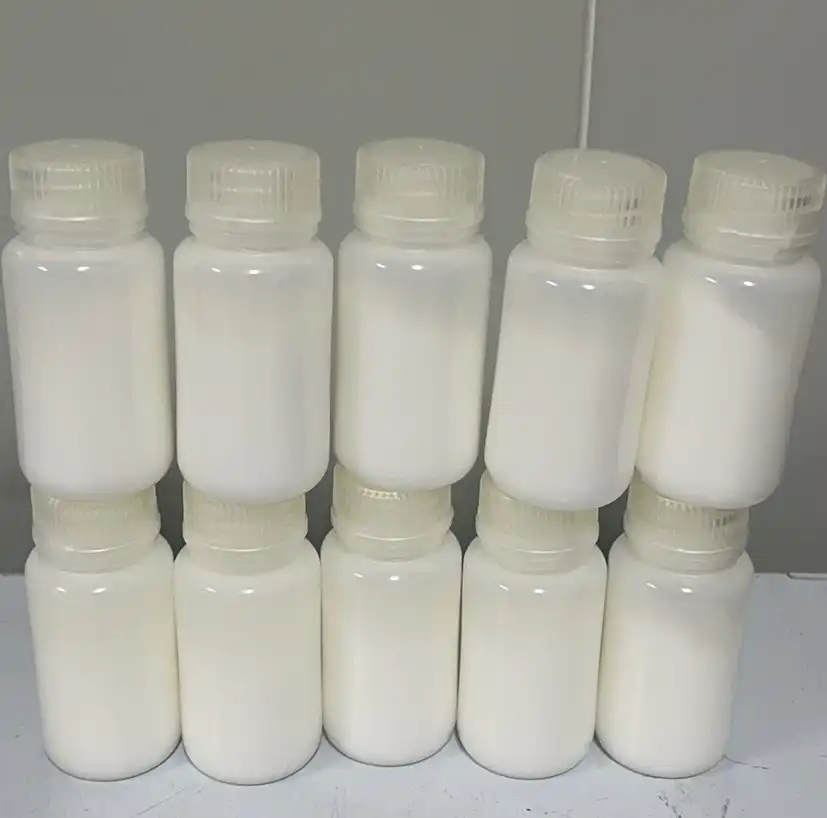
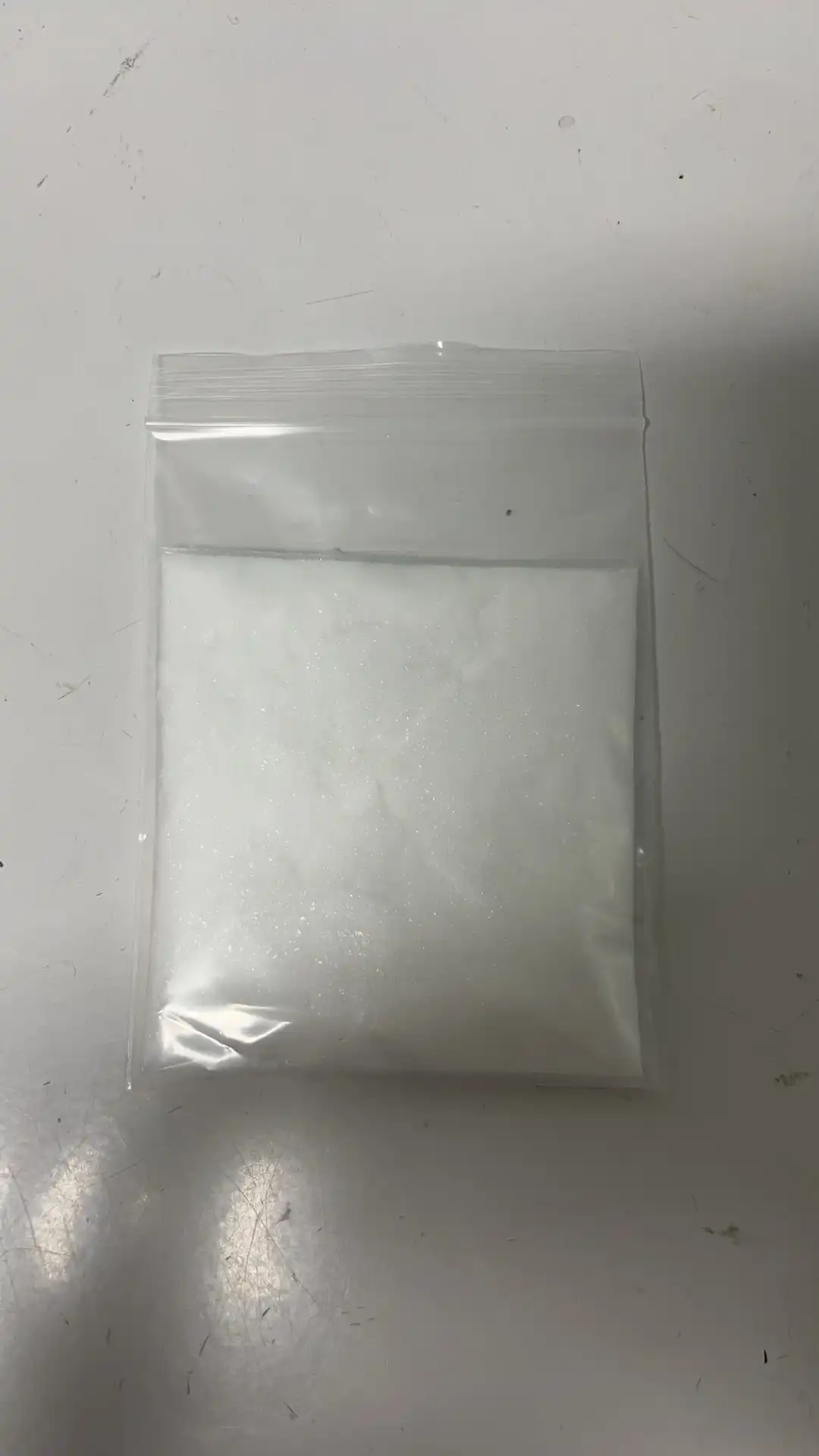
AKH II-L,98968-94-6,Peptide synthesis,Peptide raw material company
- Product Description
PeptideName:Adipokinetic Hormone II Locusta Migratoria/AKH II-L/98968-94-6/Peptide synthesis
Catalog No:GT-P1023
Sequence:H-{Pyr}-Leu-Asn-Phe-Ser-Ala-Gly-Trp-NH2
CAS Number:98968-94-6
Molecular Formula:C43H57N11O11
Molecular Weight:903.9775
Category:AKH II-L,98968-94-6,Peptide synthesis,Peptide raw material company
Description
Adipokinetic Hormone II Locusta Migratoria,locust cardio-fatty acid-releasing hormone (AKH II-L) is a key neuropeptide that regulates energy metabolism in arthropods. It belongs to the adipokinetic hormone family (AKH family). The core function of AKH II-L is to regulate the release and utilization of energy substances. It is mainly synthesized and secreted by the cardiosome (CC) of locusts. The cardiosome is an important neuroendocrine organ in insects and can deliver AKH II-L to target tissues through body fluid transport.
Specifications
Apperance: White to off-white powder
Purity(HPLC): ≥98.0%
Single Impurity: ≤2.0%
Acetate Content(HPLC): 5.0%~12.0%
Water Content (Karl Fischer): ≤10.0%
Peptide Content: ≥80.0%
Packing and Shipping: Low temperature, vacuum packing, accurate to mg as required.
FAQ:
Which end is best for my research?
By default, the peptide ends with an N-terminal free amino group and a C-terminal free carboxyl group. The peptide sequence often represents the sequence of the mother protein. In order to be closer to the mother protein, the end of the peptide often needs to be closed, that is, n-terminal acetylation and C-terminal amidation. This modification avoids the introduction of excess charge, and also makes it more able to prevent exonucliase action, so that the peptide is more stable.
What problems should be paid attention to in the storage process?
The peptide you received was packaged in lyophilized powder. Peptides are hydrophilic, and absorption of water will reduce the stability of the peptide and reduce the peptide content. Please pay attention to the following: first, with desiccants, stored in a dry environment. Second, once received, please immediately put into the freezer -20℃ storage, in order to maintain maximum stability. Third, avoid the use of no automatic frost function of the freezer. Changes in humidity and temperature can affect the stability of peptides. Fourth, the external temperature during transportation does not affect the validity and quality of peptides.
How do you dissolve polypeptides?
The solubility of polypeptide depends mainly on its primary and secondary structure, the nature of modification label, solvent type and final concentration. If the peptide is insoluble in water, ultrasound can help dissolve it. For basic peptide, it is recommended to dissolve with 10% acetic acid; For acidic peptides, dissolution with 10%NH4HCO3 is recommended. Organic solvents can also be added to insoluble polypeptides. The peptide is dissolved in the least amount of organic solvent (e.g., DMSO, DMF, isopropyl alcohol, methanol, etc.). It is highly recommended that the peptide be dissolved in the organic solvent first and then slowly added to water or other buffer until the desired concentration.
If a AKH II-L is 98% pure, what is 2%?
Two percent of the composition was truncated or deleted sequence fragments.
I need a cyclic peptide, which contains a tryptophan, will it be oxidized?
The oxidation of tryptophan is a common phenomenon in peptide oxidation, and peptides are usually cyclized before purification. If the oxidation of tryptophan occurs, the retention time of the peptide on the HPLC column will change, and the oxidation can be removed by purification. Furthermore, oxidized peptides can also be detected by MS.