




Fusion Inhibitory Peptide/FIP/75539-79-6/Peptide synthesis
- Product Description
Go Top
PeptideName:Fusion Inhibitory Peptide/FIP/75539-79-6/Peptide synthesis
Catalog No:GT-M18205
Sequence:CBZ-{D-Phe}-Phe-Gly-OH
CAS Number:75539-79-6
Molecular Formula:C28H29N3O6
Molecular Weight:503.5452
Category:Fusion Inhibitory Peptide,FIP,75539-79-6,Peptide synthesis,Peptide raw material company
Description:Fusion Inhibitory Peptide (abbreviated as FIP) is a bioactive peptide compound with well-defined antiviral activity, having a CAS number of 75539-79-6. It is a commonly used viral replication inhibitor in the field of scientific research. Its core function is to inhibit viral replication by suppressing the membrane fusion activity of viral glycoproteins, thereby blocking the binding process between viruses and host cells. Its main target is enveloped viruses such as influenza viruses; it cuts off the pathway of viral invasion into host cells by interfering with the key steps of fusion between the viral envelope and the host cell membrane.
Specifications
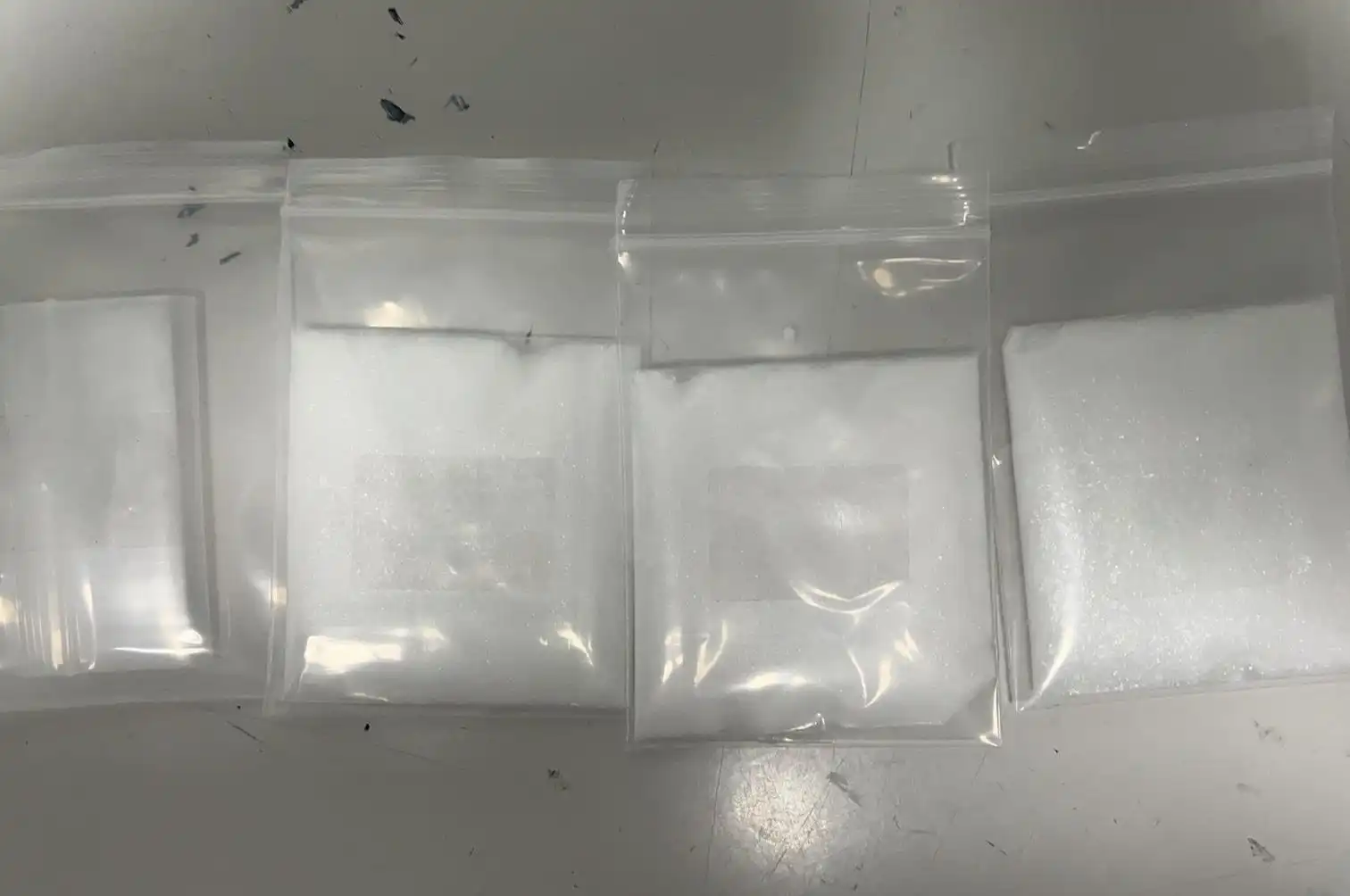
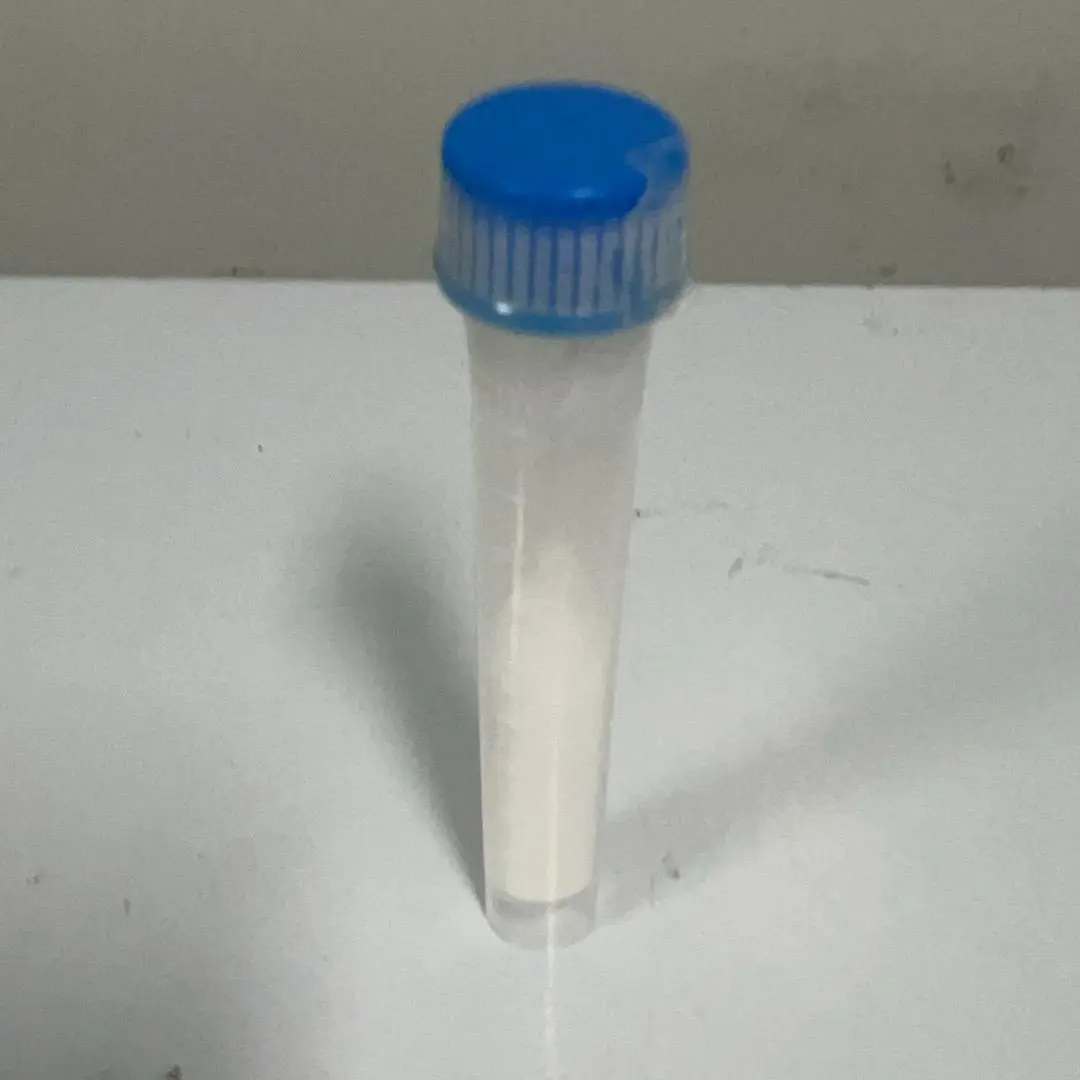
Apperance: White to off-white powder
Purity(HPLC): ≥98.0%
Single Impurity: ≤2.0%
Acetate Content(HPLC): 5.0%~12.0%
Water Content (Karl Fischer): ≤10.0%
Peptide Content: ≥80.0%
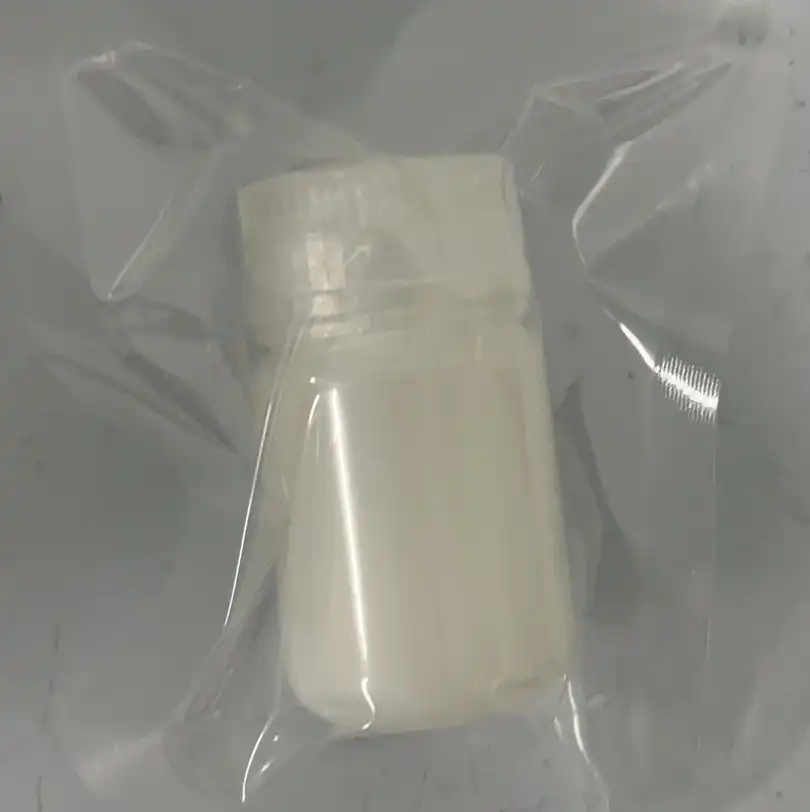
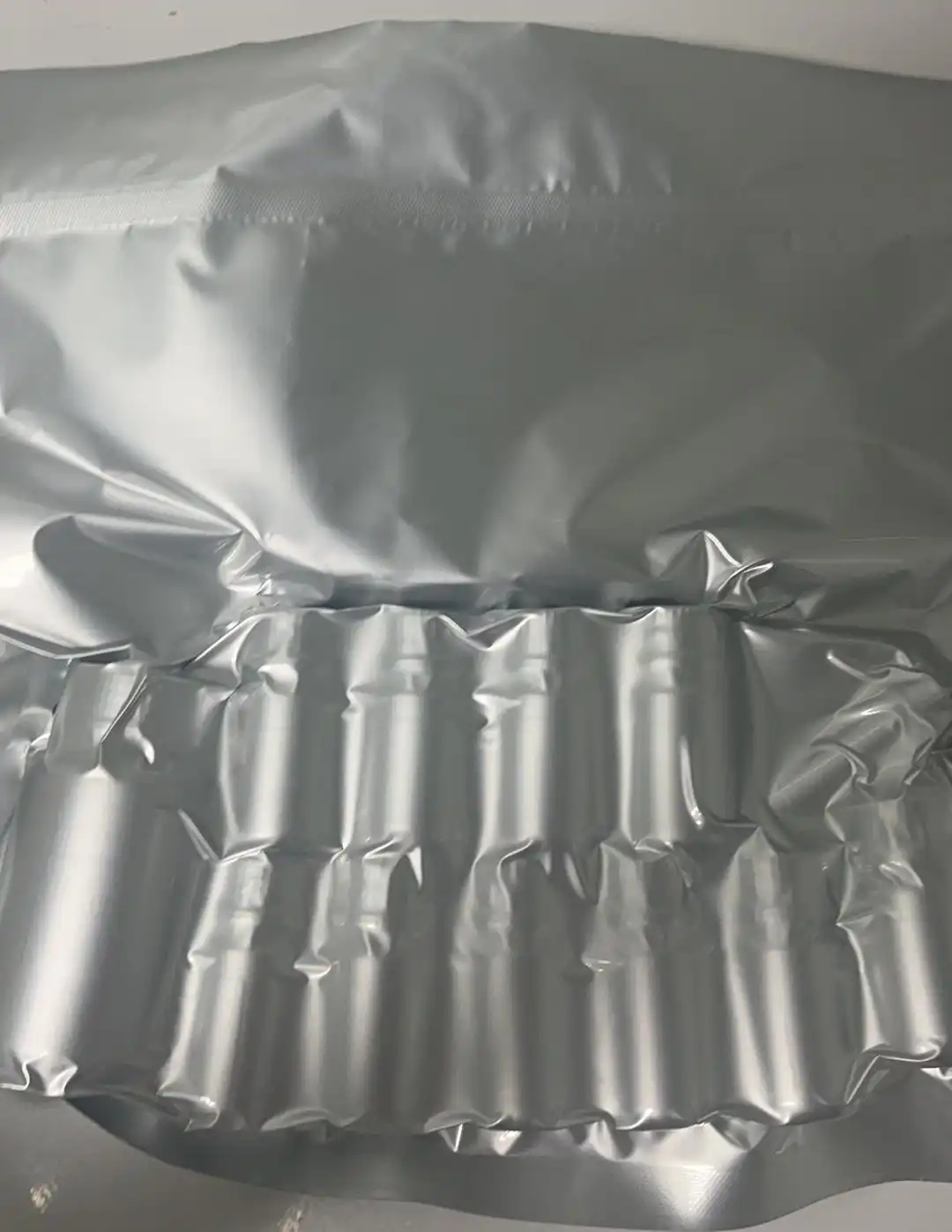
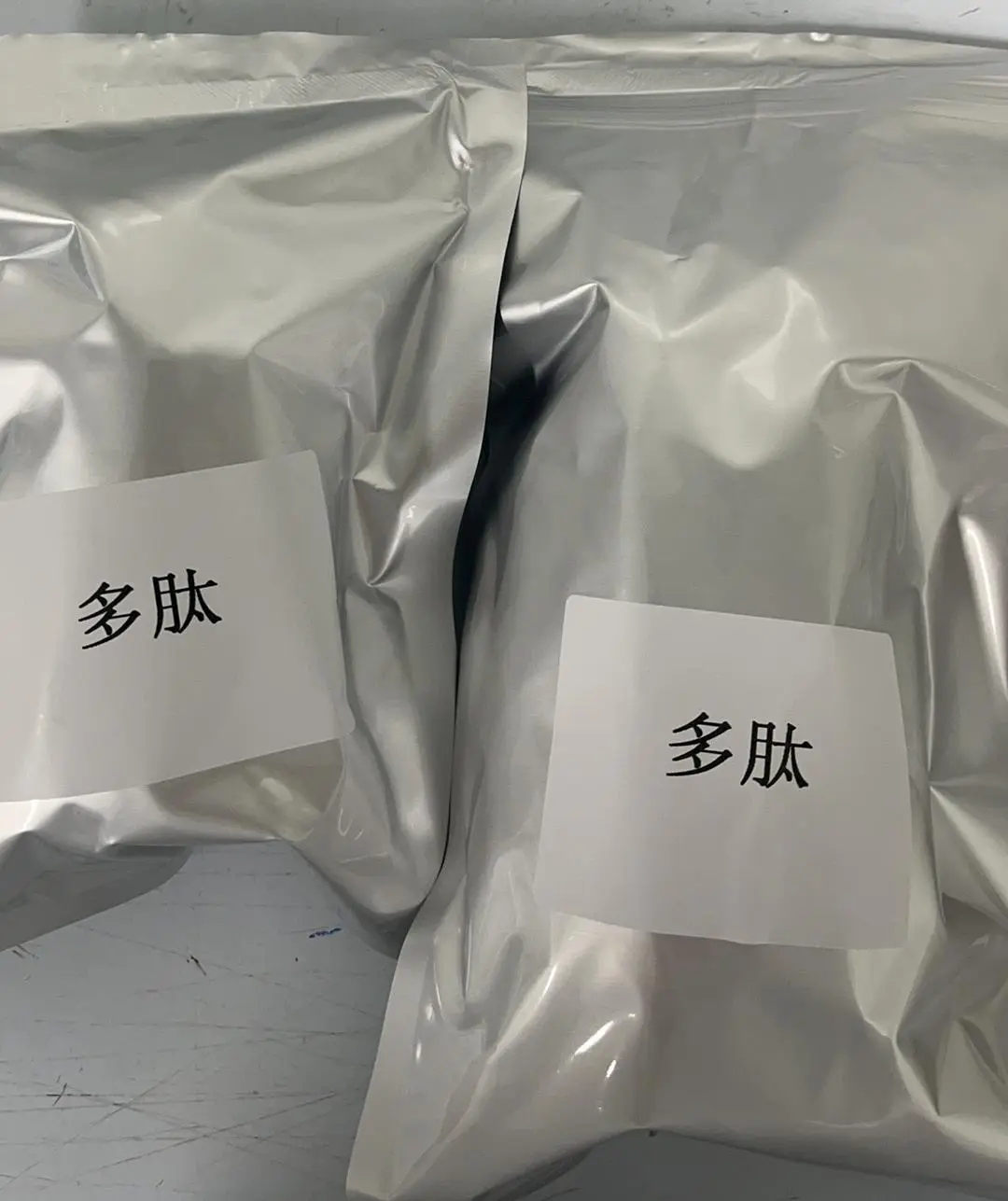
Packing and Shipping: Low temperature, vacuum packing, accurate to mg as required.
FAQ:
Which end is best for my research?
By default, the peptide ends with an N-terminal free amino group and a C-terminal free carboxyl group. The peptide sequence often represents the sequence of the mother protein. In order to be closer to the mother protein, the end of the peptide often needs to be closed, that is, n-terminal acetylation and C-terminal amidation. This modification avoids the introduction of excess charge, and also makes it more able to prevent exonucliase action, so that the peptide is more stable.
What problems should be paid attention to in the storage process?
The peptide you received was packaged in lyophilized powder. Peptides are hydrophilic, and absorption of water will reduce the stability of the peptide and reduce the peptide content. Please pay attention to the following: first, with desiccants, stored in a dry environment. Second, once received, please immediately put into the freezer -20℃ storage, in order to maintain maximum stability. Third, avoid the use of no automatic frost function of the freezer. Changes in humidity and temperature can affect the stability of peptides. Fourth, the external temperature during transportation does not affect the validity and quality of peptides.
I need a cyclic peptide, which contains a tryptophan, will it be oxidized?
The oxidation of tryptophan is a common phenomenon in peptide oxidation, and peptides are usually cyclized before purification. If the oxidation of tryptophan occurs, the retention time of the peptide on the HPLC column will change, and the oxidation can be removed by purification. Furthermore, oxidized peptides can also be detected by MS.
If a FIP is 98% pure, what is 2%?
Two percent of the composition was truncated or deleted sequence fragments.
Is it necessary to put a gap between the peptide and the dye?
If you are going to attach a large molecule (such as a dye) to the peptide, it is best to put a space between the peptide and the ligand to minimize interference with the receptor by the folding of the peptide itself or by the folding of its conjugate. Others do not want intervals. For example, in the folding of proteins, it is possible to determine how far apart the folding structure of an amino acid is by attaching a fluorescent dye to a particular site.