




SS-31/736992-21-5/SS-31 peptide/SS-31 peptide cancer
- Product Description
PeptideName:SS-31/736992-21-5/SS-31 peptide/SS-31 peptide cancer
Catalog No:GT-L004
Sequence:H-d-Arg-dimethylTyr-Lys-Phe-NH2
CAS Number:736992-21-5
Molecular Formula:C32H49N9O5
Molecular Weight:639.80
Category:SS-31,736992-21-5,Peptide synthesis,Peptide raw material company
Description:SS-31 (Elamipretide, CAS 736992-21-5) is a mitochondria-targeted tetrapeptide. It can specifically bind to cardiolipin in the mitochondrial inner membrane, stabilize mitochondrial structure and membrane potential, reduce reactive oxygen species production and oxidative stress damage, and improve mitochondrial energy metabolism and cellular function. It is mainly used in basic and translational research on cardiovascular diseases, neurodegenerative diseases, renal injury, and aging-related mitochondrial dysfunction. It is a research-only reagent and not intended for clinical diagnosis or treatment.
Specifications
Apperance: White to off-white powder
Purity(HPLC): ≥98.0%
Single Impurity: ≤2.0%
Acetate Content(HPLC): 5.0%~12.0%
Water Content (Karl Fischer): ≤10.0%
Peptide Content: ≥80.0%
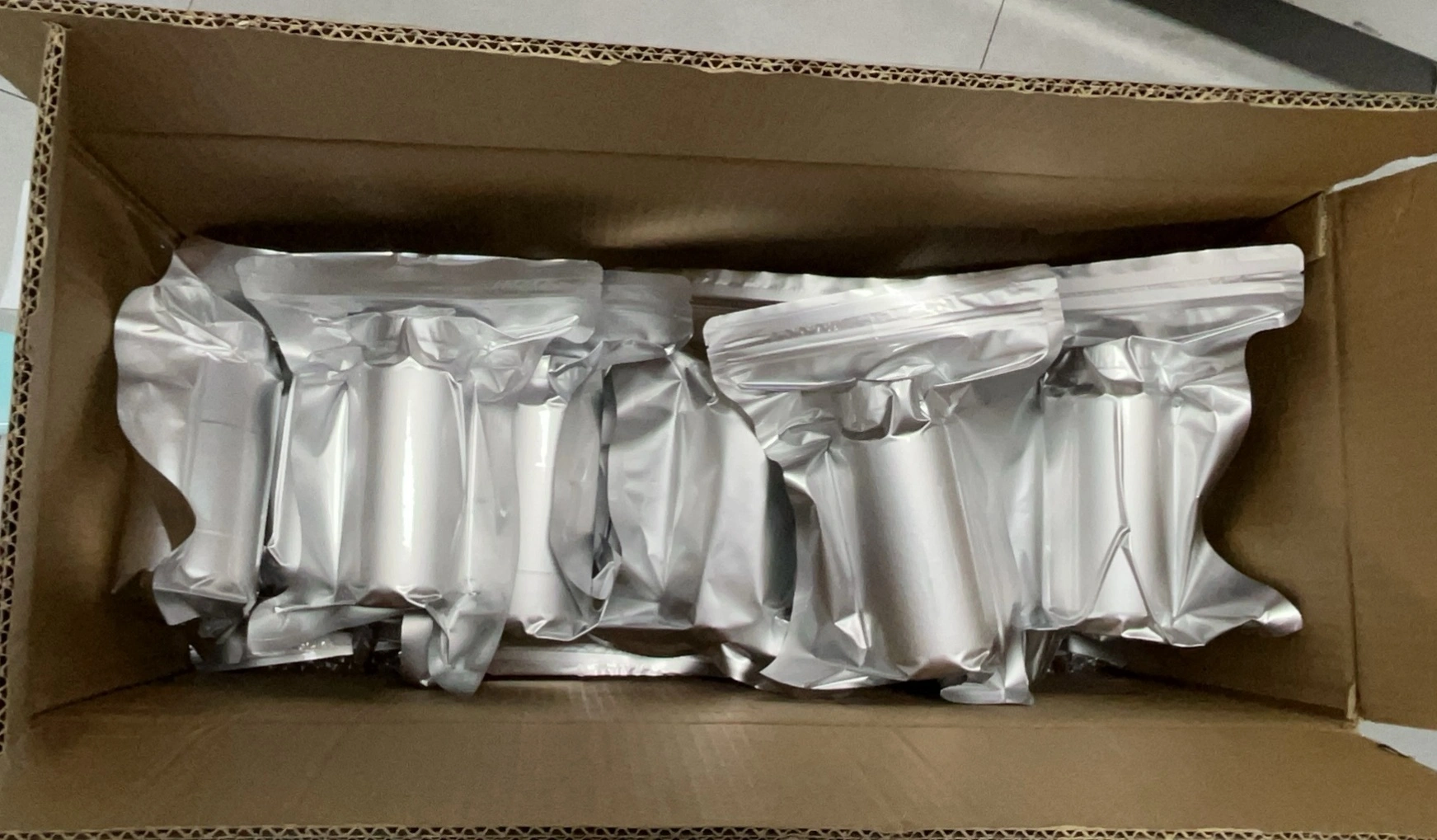
Packing and Shipping: Low temperature, vacuum packing, accurate to mg as required.
FAQ:
How do you dissolve polypeptides?
The solubility of polypeptide depends mainly on its primary and secondary structure, the nature of modification label, solvent type and final concentration. If the peptide is insoluble in water, ultrasound can help dissolve it. For basic peptide, it is recommended to dissolve with 10% acetic acid; For acidic peptides, dissolution with 10%NH4HCO3 is recommended. Organic solvents can also be added to insoluble polypeptides. The peptide is dissolved in the least amount of organic solvent (e.g., DMSO, DMF, isopropyl alcohol, methanol, etc.). It is highly recommended that the peptide be dissolved in the organic solvent first and then slowly added to water or other buffer until the desired concentration.
What problems should be paid attention to in the storage process?
The peptide you received was packaged in lyophilized powder. Peptides are hydrophilic, and absorption of water will reduce the stability of the peptide and reduce the peptide content. Please pay attention to the following: first, with desiccants, stored in a dry environment. Second, once received, please immediately put into the freezer -20℃ storage, in order to maintain maximum stability. Third, avoid the use of no automatic frost function of the freezer. Changes in humidity and temperature can affect the stability of peptides. Fourth, the external temperature during transportation does not affect the validity and quality of peptides.
How is my peptide transported? What test reports are provided?
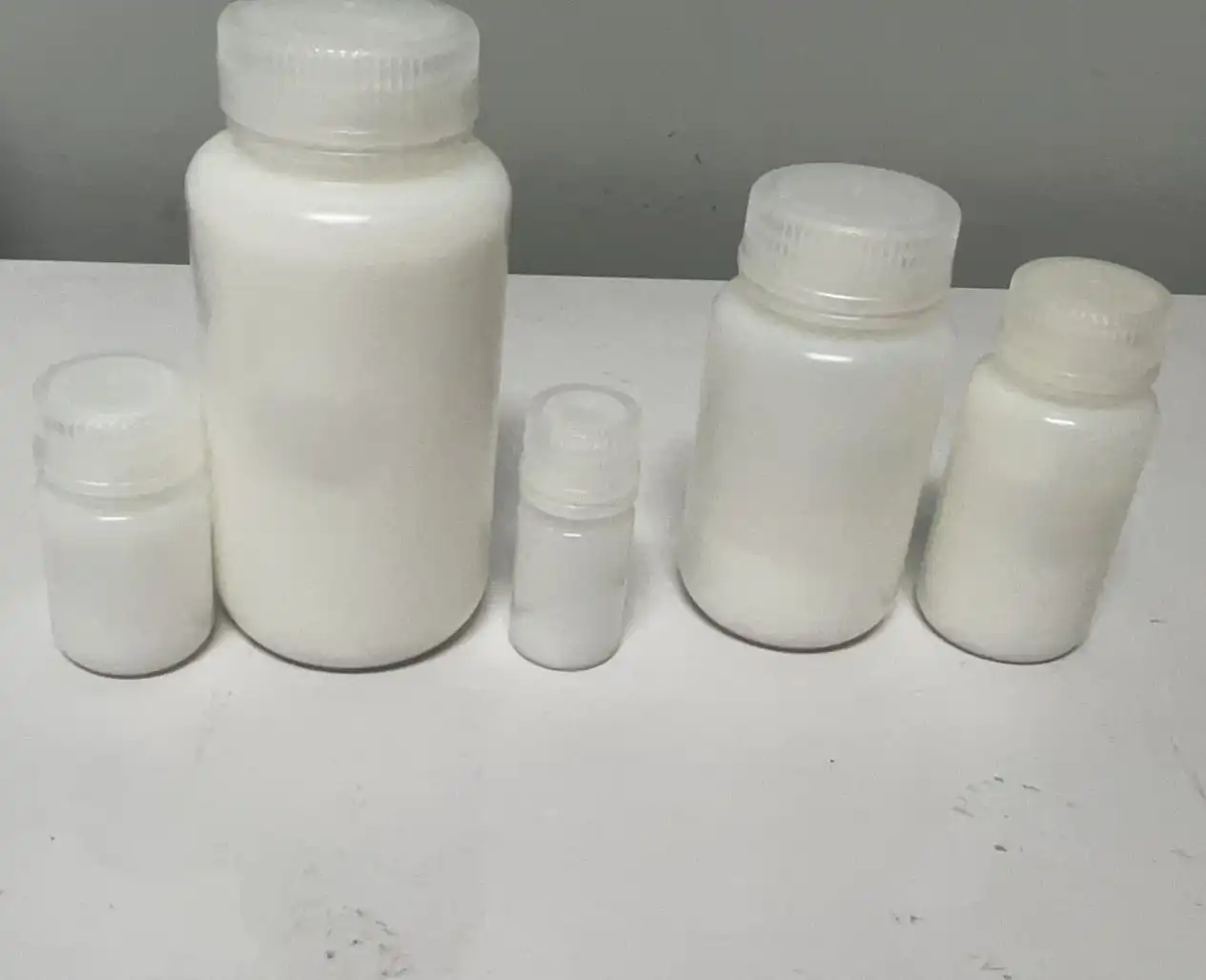
All freeze-dried polypeptides are usually stored in special containers of 2 ml or 10ml with original analytical data and synthesis reports containing important information such as sequence, molecular weight, purity, weight, and number of the polypeptide.
If a SS-31 is 98% pure, what is 2%?
Two percent of the composition was truncated or deleted sequence fragments.
Is it necessary to put a gap between the peptide and the dye?
If you are going to attach a large molecule (such as a dye) to the peptide, it is best to put a space between the peptide and the ligand to minimize interference with the receptor by the folding of the peptide itself or by the folding of its conjugate. Others do not want intervals. For example, in the folding of proteins, it is possible to determine how far apart the folding structure of an amino acid is by attaching a fluorescent dye to a particular site.