




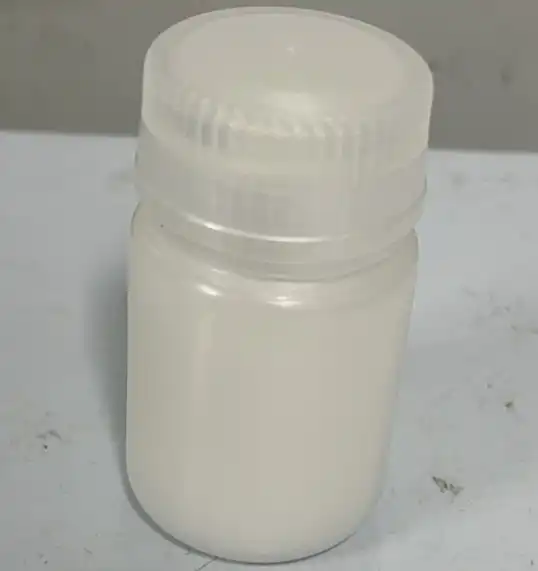
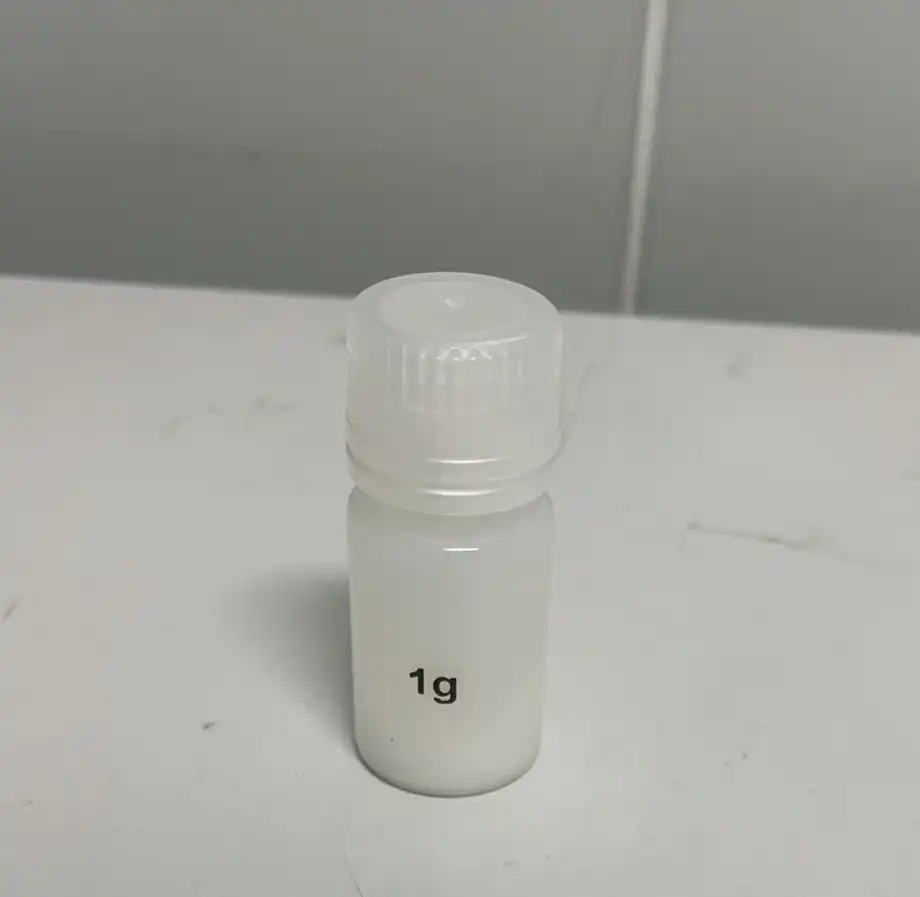
CKS-17/ 99273-04-8/Peptide synthesis
- Product Description
PeptideName:CKS-17/ 99273-04-8/Peptide synthesis
Catalog No:GT-P1990
Sequence:H-Leu-Gln-Asn-Arg-Arg-Gly-Leu-Asp-Leu-Leu-Phe-Leu-Lys-Glu-Gly-Gly-Leu-OH
CAS Number:99273-04-8
Molecular Formula:C87H148N26O24
Molecular Weight:1942.2599
Category:CKS-17, 99273-04-8,Peptide synthesis,Peptide raw material company
Description
CKS-17 peptide (CAS No.: 99273-04-8) is a class of small molecule polypeptides with specific biological activities, composed of specific amino acid sequences linked by peptide bonds. The "CKS" designation derives from its sequence characteristics or discovery source. These peptides are mostly artificially synthesized or biologically extracted, and their core parameters can be determined using techniques such as mass spectrometry and sequencing. Its core value lies in its biological activity, potentially participating in physiological processes such as cell signaling, immune regulation, and proliferation and differentiation. Its mechanism of action involves specific binding to target cell receptors to activate downstream pathways. Currently, its specific functions are still under investigation.
Specifications
Apperance: White to off-white powder
Purity(HPLC): ≥98.0%
Single Impurity: ≤2.0%
Acetate Content(HPLC): 5.0%~12.0%
Water Content (Karl Fischer): ≤10.0%
Peptide Content: ≥80.0%
Packing and Shipping: Low temperature, vacuum packing, accurate to mg as required.
FAQ:
Which end is best for my research?
By default, the peptide ends with an N-terminal free amino group and a C-terminal free carboxyl group. The peptide sequence often represents the sequence of the mother protein. In order to be closer to the mother protein, the end of the peptide often needs to be closed, that is, n-terminal acetylation and C-terminal amidation. This modification avoids the introduction of excess charge, and also makes it more able to prevent exonucliase action, so that the peptide is more stable.
How do you determine if a peptide is looped?
We use the Ellman reaction to test whether the ring formation is complete. If the Ellman test is positive (yellow), the ring reaction is incomplete. If the test results are negative (not yellow), the ring reaction has been complete. We do not provide the analysis report of cyclization identification for our clients. Generally, there will be a description of Ellman's test results in the QC report.
How do you dissolve polypeptides?
The solubility of polypeptide depends mainly on its primary and secondary structure, the nature of modification label, solvent type and final concentration. If the peptide is insoluble in water, ultrasound can help dissolve it. For basic peptide, it is recommended to dissolve with 10% acetic acid; For acidic peptides, dissolution with 10%NH4HCO3 is recommended. Organic solvents can also be added to insoluble polypeptides. The peptide is dissolved in the least amount of organic solvent (e.g., DMSO, DMF, isopropyl alcohol, methanol, etc.). It is highly recommended that the peptide be dissolved in the organic solvent first and then slowly added to water or other buffer until the desired concentration.
If a CKS-17 is 98% pure, what is 2%?
Two percent of the composition was truncated or deleted sequence fragments.
I need a cyclic peptide, which contains a tryptophan, will it be oxidized?
The oxidation of tryptophan is a common phenomenon in peptide oxidation, and peptides are usually cyclized before purification. If the oxidation of tryptophan occurs, the retention time of the peptide on the HPLC column will change, and the oxidation can be removed by purification. Furthermore, oxidized peptides can also be detected by MS.