




Keyword:Degarelix,214766-78-6,Degarelix peptide
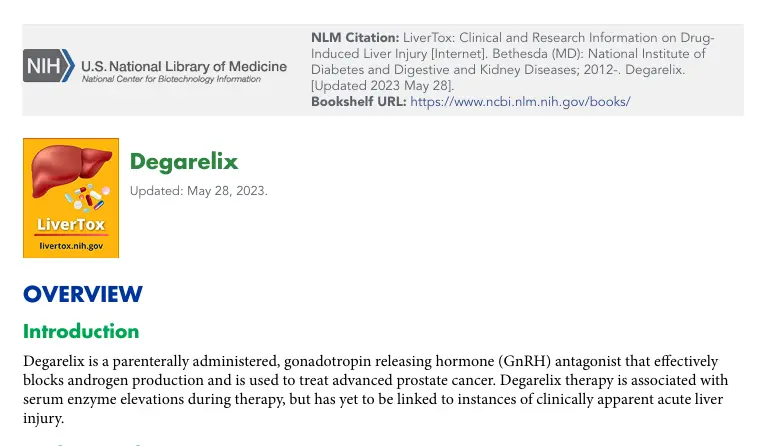
Degarelix (commonly branded as Firmagon) is a targeted hormonal therapy that has redefined the standard of care for advanced prostate cancer, offering a safer and more effective alternative to traditional androgen deprivation treatments. As a second-generation gonadotropin-releasing hormone (GnRH) receptor antagonist, it delivers rapid, profound, and sustained testosterone suppression without the dangerous testosterone surge associated with older GnRH agonist therapies. This injectable medication works by directly blocking GnRH receptors in the pituitary gland, immediately halting the production of luteinizing hormone (LH) and follicle-stimulating hormone (FSH), which in turn shuts down testosterone synthesis in the testes. Approved by the FDA in 2008 and the EMA shortly after, Degarelix has become a cornerstone treatment for hormone-dependent prostate cancer, addressing critical limitations of earlier therapies and significantly improving patient outcomes.

Mechanism of Action: How Degarelix Works
Degarelix operates through a precise, direct mechanism that distinguishes it from conventional prostate cancer hormonal treatments. Unlike GnRH agonists, which initially stimulate hormone production before causing suppression, this GnRH antagonist binds competitively and reversibly to pituitary GnRH receptors, immediately blocking endogenous GnRH signaling. This rapid inhibition stops the release of LH and FSH, critical hormones that signal the testes to produce testosterone—the primary fuel for prostate cancer cell growth. Within 24 hours of administration, Degarelix drives testosterone levels to medical castration ranges (≤0.5 ng/mL), avoiding the 1–2 week testosterone surge (flare phenomenon) that can exacerbate cancer symptoms like bone pain and urinary obstruction in agonist-treated patients.
This immediate suppression is maintained through sustained release from subcutaneous depot injections. The standard dosing regimen consists of a 240 mg starting dose split into two 120 mg injections, followed by monthly maintenance doses of 80 mg or 160 mg to sustain castrate testosterone levels long-term. Clinical studies confirm that over 97% of patients maintain therapeutic testosterone suppression for 12 months or longer with this protocol. By eliminating the testosterone flare and providing consistent suppression, Degarelix offers superior disease control and better quality of life for advanced prostate cancer patients.
Clinical Applications and Indications
Degarelix is specifically indicated for the treatment of advanced hormone-dependent prostate cancer in adult men, where the cancer relies on testosterone for growth and progression. Its primary clinical uses include:
1. Advanced metastatic prostate cancer: First-line treatment for cancer that has spread beyond the prostate to lymph nodes, bones, or other distant sites, where rapid testosterone suppression is critical to prevent symptom worsening.
2. High-risk localized or locally advanced prostate cancer: Used before or in combination with radiation therapy to shrink tumors, improve treatment response, and reduce recurrence risk.
3. Patients with cardiovascular risk factors: Preferred over GnRH agonists due to its favorable cardiovascular safety profile, making it ideal for men with pre-existing heart disease, hypertension, or diabetes.
4. Patients at risk of symptom flare: Explicitly recommended for those with impending spinal cord compression, severe bone pain, or urinary retention, where agonist-induced testosterone surge could cause life-threatening complications.
Its versatility extends across the prostate cancer treatment spectrum, from neoadjuvant therapy before local treatment to long-term maintenance for metastatic disease, establishing it as a flexible and reliable hormonal therapy option.
Efficacy and Clinical Trial Evidence
Multiple phase II and III clinical trials and meta-analyses validate Degarelix's superior efficacy compared to traditional GnRH agonists. A landmark 1-year randomized phase II dose-finding study published in The Journal of Urology demonstrated that Degarelix achieved rapid testosterone suppression in 97–98% of patients, with no significant differences between 80 mg and 160 mg maintenance doses. A comprehensive systematic review and meta-analysis in PubMed (2025) confirmed that Degarelix provides faster and more consistent testosterone suppression than agonists, with 95% of patients reaching castrate levels within 3 days versus 2–4 weeks for agonists.
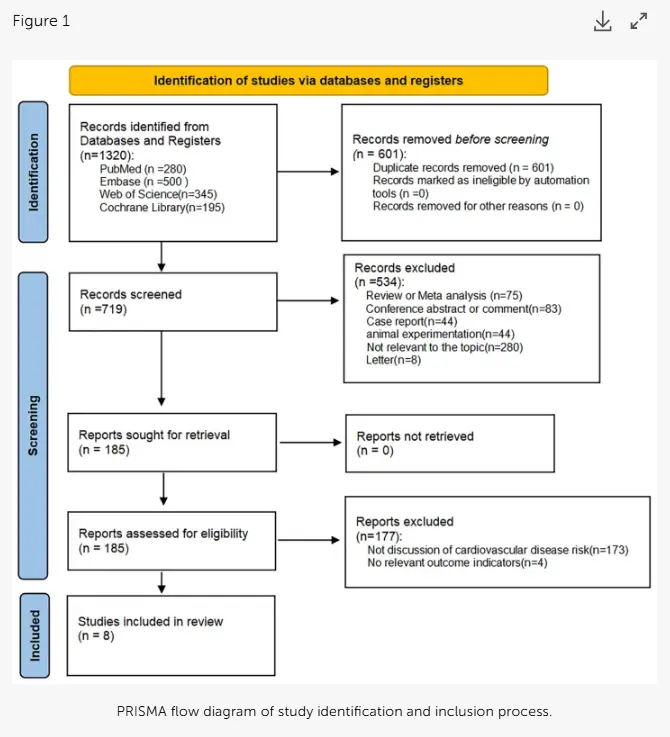
The CS21 and CS22 phase III trials, which compared Degarelix to leuprolide (a leading GnRH agonist), found Degarelix significantly reduced the risk of testosterone breakthrough (1.9% vs. 5.5%) and improved prostate-specific antigen (PSA) response rates. Crucially, a 2025 meta-analysis in Frontiers in Oncology showed Degarelix reduces major adverse cardiovascular events (MACE) by 54% compared to agonists in patients with pre-existing cardiovascular disease, with lower rates of myocardial infarction, stroke, and heart failure. It also significantly improves International Prostate Symptom Scores (IPSS) and reduces urinary adverse events (6.4% vs. 14.1% for agonists), enhancing urinary function and quality of life.

Safety Profile and Side Effects
Degarelix demonstrates a favorable safety profile, with most adverse events mild to moderate and injection-site related. Common side effects include:
· Local reactions: Redness, swelling, pain, or itching at injection sites (occurring in ~30% of patients, typically resolving within 3–5 days).
· Androgen deprivation symptoms: Hot flashes, fatigue, decreased libido, erectile dysfunction, and weight gain (similar to agonists but with lower severity).
· Metabolic effects: Slight increases in cholesterol and triglycerides, manageable with lifestyle modifications.
Notably, Degarelix carries significantly lower cardiovascular risk than GnRH agonists—a critical advantage for older patients with comorbidities. It also avoids the rare but serious pituitary hyperstimulation risks of agonists and has no reported drug-drug interactions with common medications. Liver function monitoring is recommended periodically, but severe hepatotoxicity is extremely rare.
Advantages Over Traditional GnRH Agonists
Degarelix's clinical benefits over older GnRH agonists make it a preferred choice in modern prostate cancer care:
1. No testosterone flare: Eliminates symptom worsening and clinical risks associated with initial agonist treatment.
2. Rapid onset: Achieves castration within 24 hours versus 1–2 weeks for agonists.
3. Superior cardiovascular safety: Reduces MACE risk by over half in high-risk patients.
4. Better urinary symptom control: Improves IPSS scores and reduces obstruction risk.
5. Flexible dosing: Monthly injections with consistent efficacy across maintenance doses.
6. Lower breakthrough risk: More stable long-term testosterone suppression.
These benefits have led to updated clinical guidelines recommending Degarelix as first-line therapy for advanced prostate cancer, especially in patients with cardiovascular comorbidities or flare risks.
Conclusion
Degarelix represents a major advancement in prostate cancer hormonal therapy, combining rapid, reliable testosterone suppression with enhanced safety and quality of life benefits. As a targeted GnRH antagonist, it addresses critical limitations of traditional agonists, offering life-changing treatment for men with advanced hormone-dependent prostate cancer. Backed by extensive clinical evidence and guideline endorsements, it stands as a gold-standard treatment that balances efficacy, safety, and patient-centered care. For healthcare providers and patients alike, Degarelix remains an indispensable tool in the fight against advanced prostate cancer, delivering superior outcomes while minimizing treatment-related risks.