




Keyword:Linaclotide,851199-59-2,Linaclotide Peptide
Linaclotide is an orally administered synthetic peptide and a first-in-class guanylate cyclase-C (GC-C) receptor agonist, specifically developed to address chronic functional gastrointestinal disorders characterized by constipation. Approved by the U.S. Food and Drug Administration (FDA) in 2012 and widely authorized globally, it has become a cornerstone in the treatment of two common conditions: irritable bowel syndrome with constipation (IBS-C) and chronic idiopathic constipation (CIC). Unlike traditional laxatives that only target stool consistency or transit time, linaclotide acts locally in the gastrointestinal tract to address both the physical and sensory symptoms of these disorders, offering long-term relief and improving patients’ quality of life. This article will detail its uses, mechanism of action, clinical efficacy, safety profile, and potential off-label applications, supported by authoritative literature and clinical evidence.
Mechanism of Action: How Linaclotide Relieves Constipation and Related Symptoms
The unique therapeutic effect of linaclotide lies in its targeted interaction with the GC-C receptor, which is primarily expressed on the inner lining of the small and large intestines. As a highly selective GC-C agonist, linaclotide binds to these receptors, triggering an increase in intracellular and extracellular cyclic guanosine monophosphate (cGMP)—a key signaling molecule that regulates intestinal function. This cascade of events produces two critical physiological effects that directly alleviate constipation and associated discomfort.
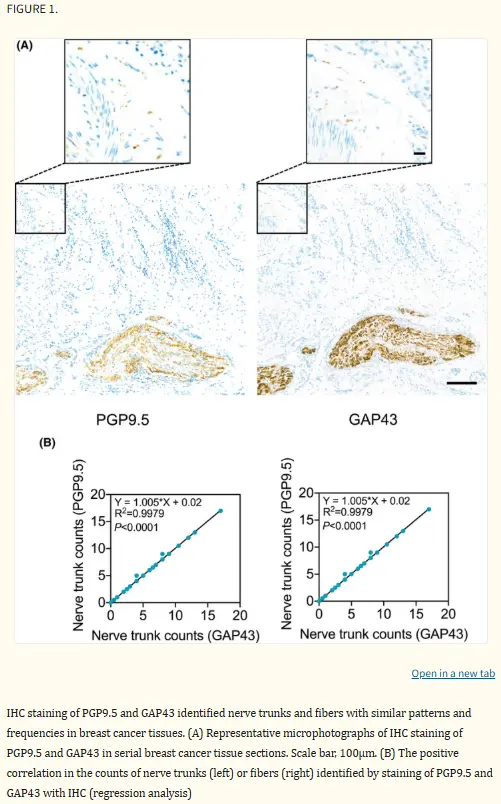
First, increased cGMP stimulates the secretion of chloride and bicarbonate ions into the intestinal lumen, which in turn draws water into the intestine through osmosis. This softens the stool and increases intestinal fluid volume, promoting natural bowel movements without causing harsh irritation. Second, linaclotide may modulate visceral hypersensitivity—a common feature of IBS-C characterized by heightened sensitivity to intestinal distension—though the clinical relevance of this effect on nerve fibers has not yet been fully established. Importantly, linaclotide acts locally within the gastrointestinal tract and has negligible systemic availability, meaning it is not significantly absorbed into the bloodstream, reducing the risk of systemic side effects and enhancing its safety profile.
Primary Indications: IBS-C and CIC in Adults and Selected Pediatric Populations
Linaclotide’s primary approved uses are focused on chronic constipation-related disorders, with specific dosing and age restrictions to ensure safety and efficacy. The FDA, along with other global regulatory bodies, has approved it for two main indications in adults, with additional pediatric approvals for select populations.
For irritable bowel syndrome with constipation (IBS-C), linaclotide is indicated for adults and pediatric patients aged 7 years and older. IBS-C is a chronic functional gastrointestinal disorder characterized by abdominal pain, bloating, and constipation (infrequent or hard stools), which significantly impacts patients’ daily lives and mental health. The recommended dose for adults with IBS-C is 290 mcg orally once daily, while pediatric patients aged 7–17 years receive 145 mcg once daily. For chronic idiopathic constipation (CIC)—a condition defined by persistent constipation with no identifiable underlying cause—linaclotide is approved for adults, with a standard dose of 145 mcg once daily; a lower dose of 72 mcg once daily may be used based on individual tolerance or presentation. Additionally, it is approved for functional constipation (FC) in pediatric patients aged 6–17 years, with a dose of 72 mcg once daily.

Notably, linaclotide is contraindicated in patients younger than 2 years of age due to the risk of serious dehydration—nonclinical studies in neonatal mice showed that a single clinically relevant adult dose caused deaths from dehydration. It is also contraindicated in patients with known or suspected mechanical gastrointestinal obstruction, as it may exacerbate obstruction-related symptoms.
Clinical Efficacy: Evidence from Clinical Trials and Real-World Studies
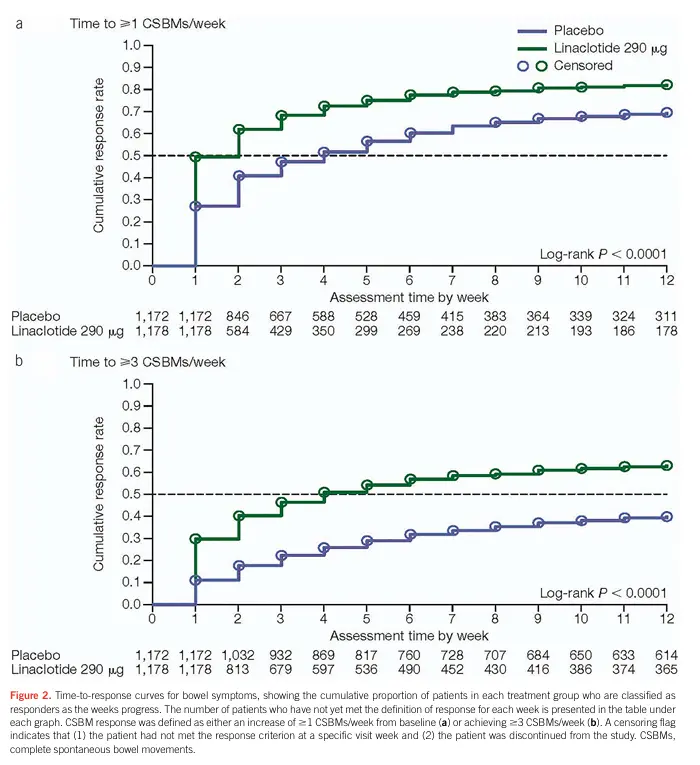
The efficacy of linaclotide in treating IBS-C and CIC has been extensively validated in large-scale randomized controlled trials (RCTs) and real-world studies. For IBS-C, two pivotal Phase III trials involving over 1,600 adult patients demonstrated that linaclotide (290 mcg once daily) significantly improved both constipation and abdominal pain compared to placebo. In these trials, a “combined responder” was defined as a patient who achieved at least a 30% reduction in mean abdominal pain and an increase of at least 1 complete spontaneous bowel movement (CSBM) from baseline for at least 6 out of 12 weeks. Significantly more linaclotide-treated patients (31–34%) met this endpoint compared to placebo (12–13%).
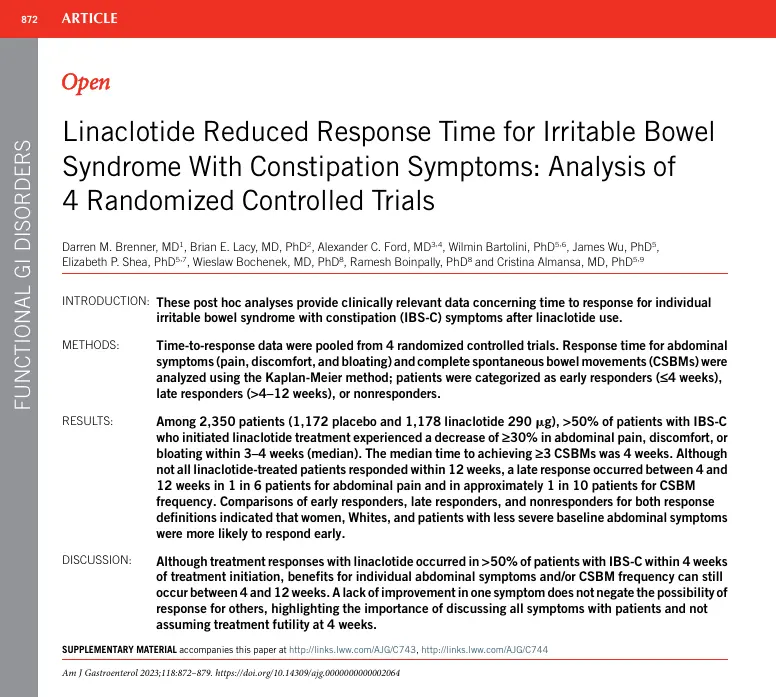
A post-hoc analysis of four RCTs involving 2,350 IBS-C patients found that over 50% of patients treated with linaclotide experienced a ≥30% reduction in abdominal pain, discomfort, or bloating within 3–4 weeks (median), highlighting its rapid onset of action for sensory symptoms. For CIC, clinical trials showed that linaclotide (145 mcg once daily) increased CSBM frequency by an average of 1.5–2.0 per week compared to placebo, with improvements sustained over 26 weeks of treatment. Real-world studies in European countries (the UK, Spain, and Sweden) further confirmed its effectiveness, with most treated patients having a documented IBS-C diagnosis and demonstrating meaningful symptom relief.
Off-Label and Investigational Uses
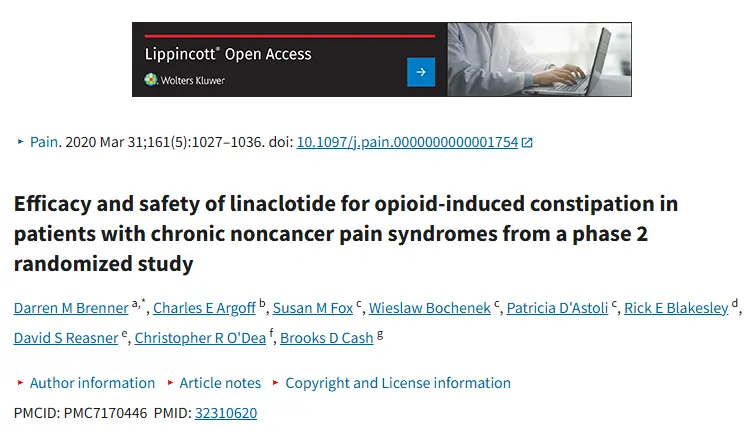
While IBS-C, CIC, and pediatric functional constipation are its only approved indications, linaclotide’s unique mechanism of action has led to exploration of its potential in other conditions involving gastrointestinal dysfunction. One promising off-label application is opioid-induced constipation (OIC)—a common side effect of long-term opioid use for chronic pain. A Phase II RCT evaluating linaclotide in patients with OIC and chronic noncancer pain found that 51.7–54.0% of patients treated with 145 mcg or 290 mcg daily achieved adequate relief of OIC symptoms, compared to 33.3% in the placebo group. Additionally, linaclotide reduced the need for rescue laxatives and improved OIC severity scores throughout the 8-week study period.
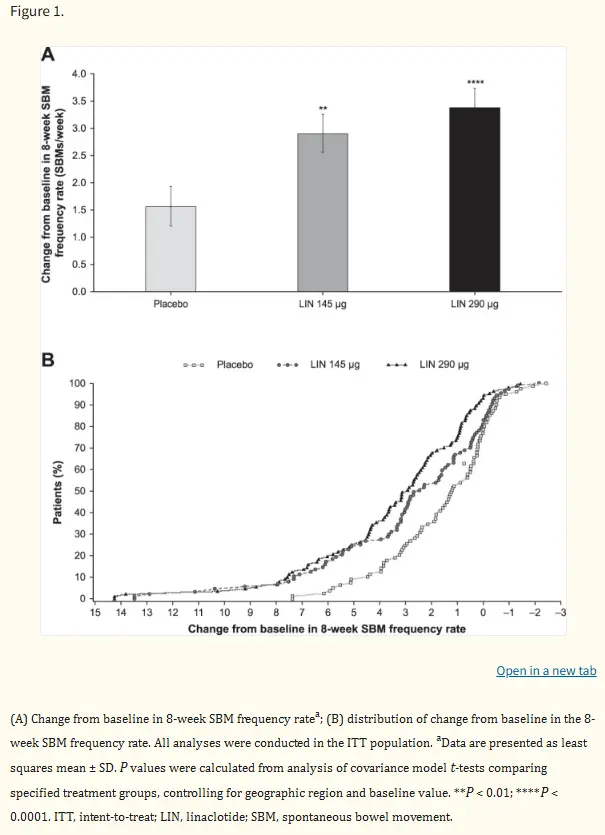
Other investigational uses include the management of refractory lower gastrointestinal manifestations in patients with systemic sclerosis, as well as constipation induced by diabetes mellitus, neurological conditions, and post-surgical complications. However, it is important to note that off-label use for weight loss or in patients with inflammatory bowel disease (IBD) is not recommended, as linaclotide is not indicated for these purposes and may pose risks in these populations. Real-world data suggests that potential off-label use and misuse of linaclotide are limited, with only small subgroups of patients at risk.
Conclusion
In summary, linaclotide is a targeted, first-in-class therapy primarily used for the treatment of irritable bowel syndrome with constipation (IBS-C) and chronic idiopathic constipation (CIC) in adults, as well as selected pediatric populations with IBS-C or functional constipation. Its unique mechanism of action—activating intestinal GC-C receptors to stimulate fluid secretion and soften stool—addresses both the physical and sensory symptoms of these chronic disorders, offering rapid and sustained relief. Supported by extensive clinical trials and real-world evidence, it has become a preferred treatment option when over-the-counter laxatives fail. While ongoing research explores its potential in opioid-induced constipation and other gastrointestinal conditions, its core value lies in improving the quality of life for patients living with chronic constipation-related disorders, with a favorable safety profile and convenient once-daily dosing.