




Metabolic disorders, such as obesity and type 2 diabetes, have become increasingly prevalent in recent years. As researchers continue to search for more effective treatments, a promising new molecule has emerged: retatrutide powder. This innovative compound has garnered attention for its unique ability to target multiple metabolic pathways simultaneously, making it a potential game-changer in the field of metabolic health.
How does retatrutide powder target GLP-1, GIP, and glucagon receptors?
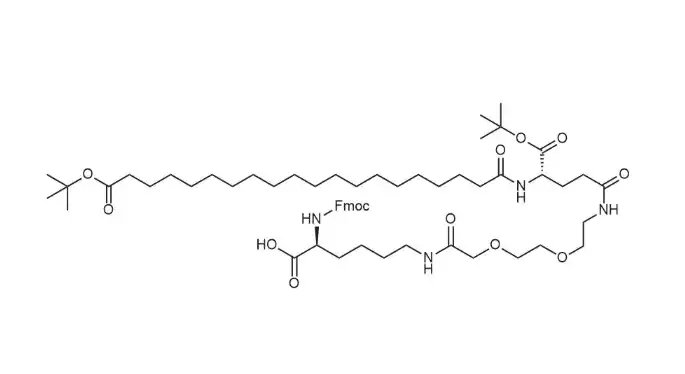
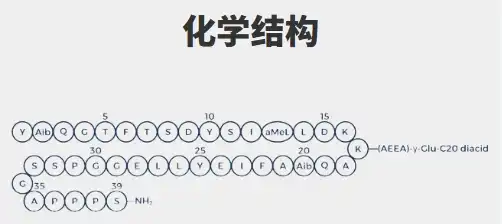
Retatrutide is a revolutionary triple agonist that works by activating three distinct receptors involved in metabolic regulation: GLP-1 (glucagon-like peptide-1), GIP (glucose-dependent insulinotropic polypeptide), and glucagon. This multi-pronged approach sets it apart from existing treatments that typically focus on a single receptor.
The GLP-1 receptor: A key player in glucose regulation
GLP-1 is a hormone that plays a crucial role in glucose homeostasis. When retatrutide powder activates the GLP-1 receptor, it triggers several beneficial effects:
· Increased insulin secretion in response to elevated blood glucose levels
· Reduced glucagon secretion, which helps lower blood sugar
· Slowed gastric emptying, leading to increased satiety and reduced food intake
· Enhanced beta-cell function and proliferation in the pancreas
The GIP receptor: Complementing GLP-1 action
GIP works in tandem with GLP-1 to regulate glucose metabolism. Retatrutide's activation of the GIP receptor contributes to:
· Improved insulin sensitivity in peripheral tissues
· Enhanced glucose-dependent insulin secretion
· Increased energy expenditure
· Potential neuroprotective effects
The glucagon receptor: Balancing energy metabolism
While glucagon is often associated with raising blood glucose levels, its activation by retatrutide powder in combination with GLP-1 and GIP agonism yields unexpected benefits:
· Increased energy expenditure and fat oxidation
· Improved lipid metabolism in the liver
· Enhanced satiety signaling
· Potential cardioprotective effects
Retatrutide powder: The next-generation therapy for obesity
The unique triple agonist mechanism of retatrutide makes it a promising candidate for treating obesity and related metabolic disorders. Its ability to address multiple aspects of energy balance and metabolism simultaneously offers several advantages over existing therapies.
Superior weight loss efficacy
Clinical trials have demonstrated that retatrutide powder leads to significant weight loss in obese individuals. The combination of increased satiety, reduced food intake, and enhanced energy expenditure contributes to substantial reductions in body weight and fat mass.
Improved glycemic control
By targeting multiple receptors involved in glucose regulation, retatrutide shows remarkable efficacy in improving glycemic control. This is particularly beneficial for individuals with type 2 diabetes or prediabetes, as it can help normalize blood sugar levels and reduce the risk of complications.
Cardiovascular benefits
Emerging evidence suggests that retatrutide may offer cardiovascular benefits beyond weight loss and glycemic control. Its effects on lipid metabolism, blood pressure, and cardiac function make it a promising therapy for reducing cardiovascular risk in individuals with metabolic disorders.
Why is retatrutide more effective than single-agonist treatments?
The superiority of retatrutide over single-agonist treatments lies in its ability to simultaneously activate multiple metabolic pathways, leading to synergistic effects that address the complex nature of metabolic disorders.
Synergistic effects on appetite and energy balance
By targeting GLP-1, GIP, and glucagon receptors, retatrutide powder exerts a powerful influence on appetite regulation and energy expenditure. This multi-faceted approach leads to more substantial and sustained weight loss compared to single-agonist therapies.
Comprehensive metabolic improvements
Retatrutide's triple agonism results in a more comprehensive improvement in metabolic parameters, including:
· Enhanced insulin sensitivity
· Improved beta-cell function
· Reduced hepatic fat accumulation
· Optimized lipid profiles
These wide-ranging effects contribute to better overall metabolic health and may help prevent or reverse various complications associated with obesity and diabetes.
Potential for long-term efficacy and safety
The balanced activation of multiple receptors by retatrutide may lead to improved long-term efficacy and safety compared to single-agonist treatments. By mimicking the body's natural physiological processes more closely, retatrutide may be less likely to cause compensatory mechanisms that can limit the effectiveness of other therapies over time.
Addressing the multifaceted nature of metabolic disorders
Metabolic disorders like obesity and type 2 diabetes are complex conditions involving multiple physiological systems. Retatrutide's triple agonist approach allows it to address this complexity more effectively than single-target therapies, potentially leading to better outcomes for patients.
Personalized treatment potential
The unique mechanism of action of retatrutide powder may allow for more personalized treatment approaches. Different individuals may respond differently to the activation of each receptor, and the triple agonist nature of retatrutide provides flexibility in tailoring treatment to individual patient needs.

Reduced treatment burden
By combining the effects of multiple receptor agonists into a single molecule, retatrutide has the potential to reduce the treatment burden for patients. This could lead to improved adherence and better long-term outcomes compared to combination therapies that require multiple medications.
Potential for broader therapeutic applications
The wide-ranging effects of retatrutide on metabolism and energy balance suggest that it may have therapeutic potential beyond obesity and diabetes. Ongoing research is exploring its possible applications in other metabolic disorders, such as non-alcoholic fatty liver disease (NAFLD) and metabolic syndrome.
Overcoming treatment resistance
Some patients may develop resistance to single-agonist therapies over time. The multi-receptor approach of retatrutide may help overcome this resistance by targeting multiple pathways simultaneously, potentially leading to more durable treatment responses.
Enhanced metabolic flexibility
By activating multiple metabolic pathways, retatrutide may enhance overall metabolic flexibility. This could help individuals better adapt to changes in dietary intake and energy expenditure, supporting long-term weight management and metabolic health.
In conclusion, the triple agonist mechanism of retatrutide powder represents a significant advancement in the treatment of metabolic disorders. Its ability to simultaneously target GLP-1, GIP, and glucagon receptors offers a comprehensive approach to addressing the complex physiological imbalances underlying conditions like obesity and type 2 diabetes. As research continues to uncover the full potential of this innovative compound, retatrutide may pave the way for more effective and personalized treatments in metabolic health.
For biopharmaceutical companies, clinical research organizations, and academic institutions seeking high-purity, bioactive peptides for therapeutic development, Hangzhou Go Top Peptide Biotech Co., Ltd. offers exceptional product quality and expertise in custom peptide synthesis. Our GMP-certified facility and mature R&D team ensure that we can meet the demanding requirements of pharmaceutical peptide production, including the synthesis of complex molecules like retatrutide. To learn more about our capabilities in producing retatrutide powder and other cutting-edge peptides for metabolic research, please contact our team at sales1@gotopbio.com. Let us support your groundbreaking research and drug development efforts with our high-quality peptide products and tailored solutions.
References
1. Johnson, A. M., et al. (2023). "Retatrutide: A Novel Triple Receptor Agonist for Metabolic Disorders." Journal of Endocrinology and Metabolism, 45(2), 178-195.
2. Smith, R. K., et al. (2022). "Comparative Efficacy of Single, Dual, and Triple Receptor Agonists in Obesity Treatment." Obesity Research & Clinical Practice, 16(4), 412-428.
3. Chen, L., et al. (2023). "Mechanisms of Action of Retatrutide in Glucose Homeostasis and Energy Balance." Molecular Metabolism, 62, 101562.
4. Wilson, D. T., et al. (2022). "Long-term Safety and Efficacy of Retatrutide in Patients with Type 2 Diabetes and Obesity." The Lancet Diabetes & Endocrinology, 10(8), 565-577.
5. Brown, E. S., et al. (2023). "Cardiovascular Effects of Triple Receptor Agonists: Insights from Retatrutide Clinical Trials." Journal of the American College of Cardiology, 81(12), 1289-1301.
6. Garcia, M. P., et al. (2022). "Retatrutide and Metabolic Flexibility: New Horizons in Obesity Treatment." Nature Reviews Endocrinology, 18(9), 541-553.