




Keyword:Carbetocin Acetate,37025-55-1
Carbetocin is a long-acting synthetic analog of oxytocin widely used in obstetrics to prevent and manage postpartum hemorrhage (PPH). As one of the leading causes of maternal mortality worldwide, PPH requires rapid and effective intervention. Carbetocin offers a clinically valuable solution by promoting sustained uterine contractions after childbirth, helping reduce excessive bleeding and improving maternal outcomes.
Unlike traditional oxytocin therapy, carbetocin is designed to have a longer duration of action, making it particularly useful in both hospital and low-resource settings. Its stability and ease of administration have made it an important tool in global maternal health strategies.
What Is Carbetocin?
Carbetocin is a synthetic peptide that mimics the action of oxytocin, a natural hormone responsible for stimulating uterine contractions during labor and after delivery. Structurally modified to resist enzymatic degradation, carbetocin has a longer half-life than oxytocin, allowing for prolonged therapeutic effects.
It is typically administered as a single intravenous or intramuscular injection immediately after childbirth, especially following cesarean section or vaginal delivery in women at risk of postpartum hemorrhage.
Primary Use: Prevention of Postpartum Hemorrhage
The main clinical use of carbetocin is the prevention of postpartum hemorrhage, a condition defined as excessive bleeding after childbirth.
After delivery, the uterus must contract effectively to compress blood vessels and stop bleeding. Carbetocin stimulates these contractions by activating oxytocin receptors in the uterine muscle. Its prolonged action ensures sustained uterine tone, reducing the risk of bleeding compared to shorter-acting agents.
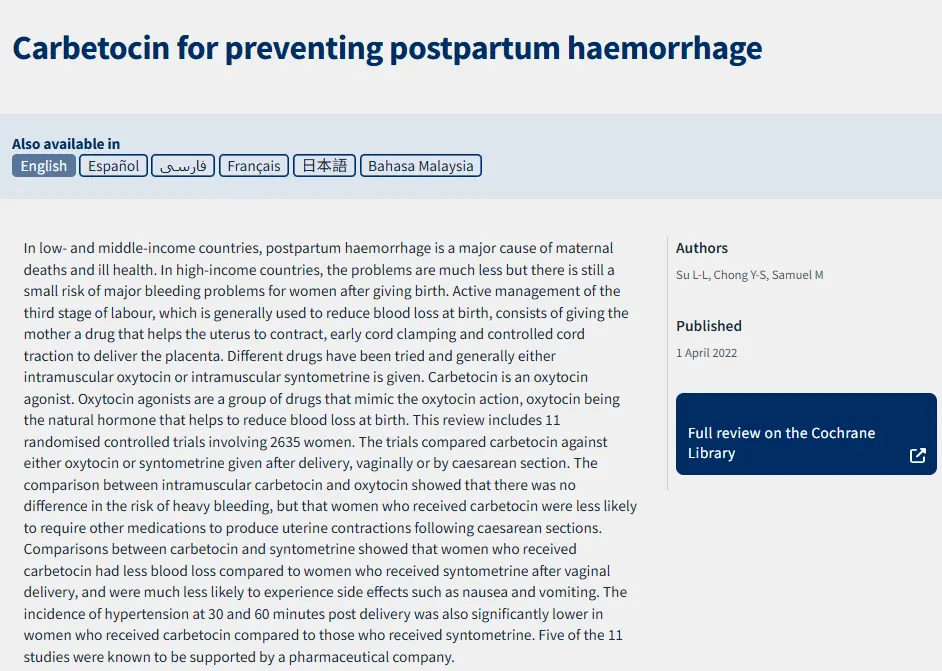
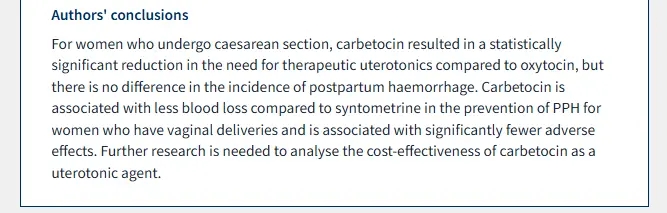
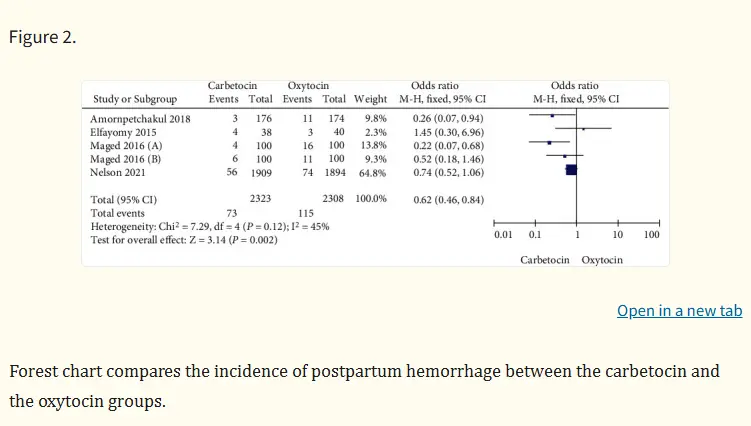
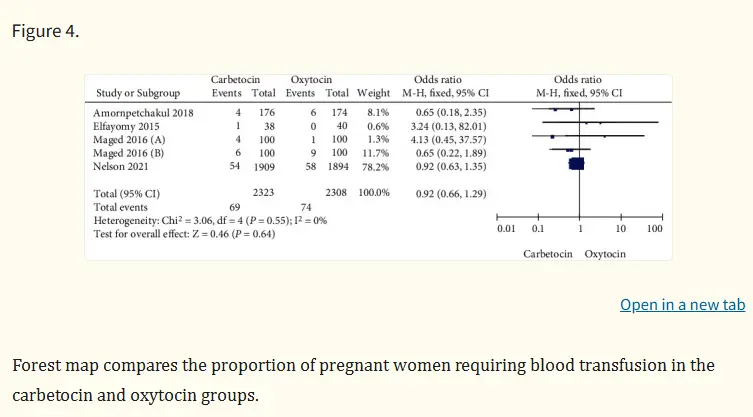
Clinical studies have shown that carbetocin is at least as effective as oxytocin in preventing PPH, with the added benefit of requiring only a single dose.

Mechanism of Action
The mechanism of action of carbetocin is based on its ability to bind to oxytocin receptors in the uterine smooth muscle.
Once bound, it activates intracellular signaling pathways that increase calcium levels within muscle cells, leading to powerful and sustained uterine contractions. These contractions help constrict blood vessels and reduce postpartum bleeding.
Because carbetocin remains active in the body longer than oxytocin, it provides a more sustained uterotonic effect, which is particularly beneficial in preventing delayed hemorrhage.
Advantages Over Oxytocin
Compared to oxytocin, carbetocin offers several important advantages.
First, its longer duration of action reduces the need for continuous infusion or repeated dosing. This simplifies clinical management and minimizes the risk of dosing errors.
Second, carbetocin has been developed in heat-stable formulations, making it suitable for use in low-resource settings where refrigeration may not be available. This feature is particularly valuable in global health programs aimed at reducing maternal mortality.
Finally, its single-dose administration improves convenience and adherence in busy clinical environments.
Use in Cesarean Section and High-Risk Patients
Carbetocin is especially useful in cesarean deliveries, where the risk of postpartum hemorrhage is higher. It is often administered immediately after the delivery of the baby to ensure adequate uterine contraction.
It may also be used in women with known risk factors for PPH, such as multiple pregnancies, prolonged labor, or uterine overdistension. In these cases, carbetocin provides a reliable method for preventing excessive bleeding.
Safety and Side Effects
Carbetocin is generally well tolerated, with a safety profile similar to that of oxytocin.
Common side effects include nausea, vomiting, headache, flushing, and mild hypotension. These effects are usually transient and resolve without intervention.
In rare cases, excessive uterine contraction or cardiovascular effects may occur, particularly if used improperly. Therefore, carbetocin should be administered under medical supervision in appropriate clinical settings.
Global Health Importance
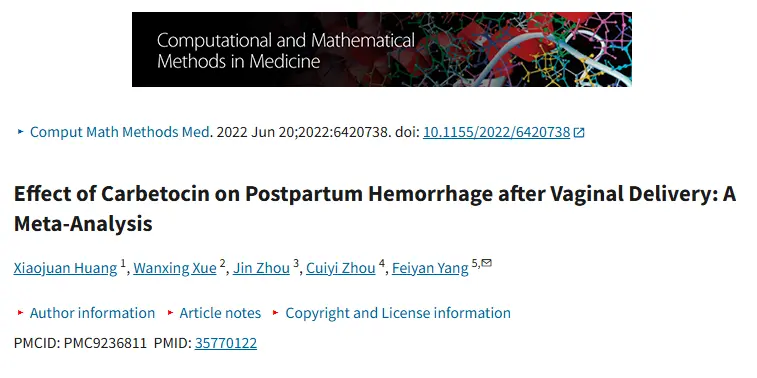
Postpartum hemorrhage remains a leading cause of maternal death, particularly in low- and middle-income countries. The introduction of carbetocin—especially in its heat-stable form—has been recognized as a major advancement in global maternal health.
Organizations such as the World Health Organization (WHO) have included carbetocin in their recommendations for PPH prevention, particularly in settings where oxytocin storage is challenging.
Its use has the potential to significantly reduce maternal mortality and improve childbirth outcomes worldwide.
Conclusion
Carbetocin is a long-acting oxytocin analog primarily used to prevent postpartum hemorrhage, a life-threatening complication of childbirth. By promoting sustained uterine contractions, it helps control bleeding and improve maternal safety.
With advantages such as single-dose administration, prolonged action, and heat stability, carbetocin represents an important advancement in obstetric care. As global efforts continue to reduce maternal mortality, this drug plays a critical role in ensuring safer childbirth outcomes.