




Keyword:Leu enkephalin,58822-25-6,Leu enkephalin Peptide
Leu enkephalin is an endogenous opioid peptide that plays a critical role in the regulation of pain, stress responses, and neurological signaling. As part of the body’s natural opioid system, it helps modulate how we perceive pain and emotional stimuli. Although less widely known than endorphins, leu enkephalin is essential for maintaining physiological balance in both the central nervous system and peripheral tissues.
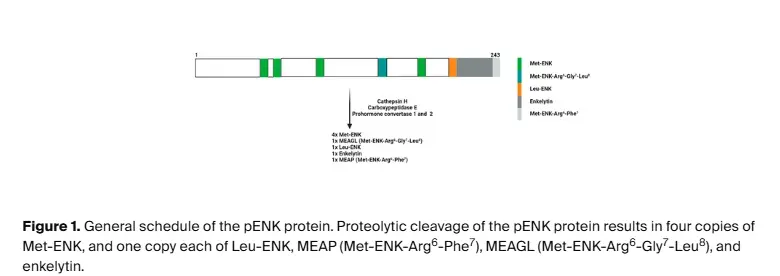
Discovered in the 1970s, leu enkephalin belongs to the enkephalin family of neuropeptides, which are naturally produced in the brain and spinal cord. Its primary function is to bind to opioid receptors—especially delta (δ) receptors—thereby influencing pain perception, mood, and various neuroendocrine processes.
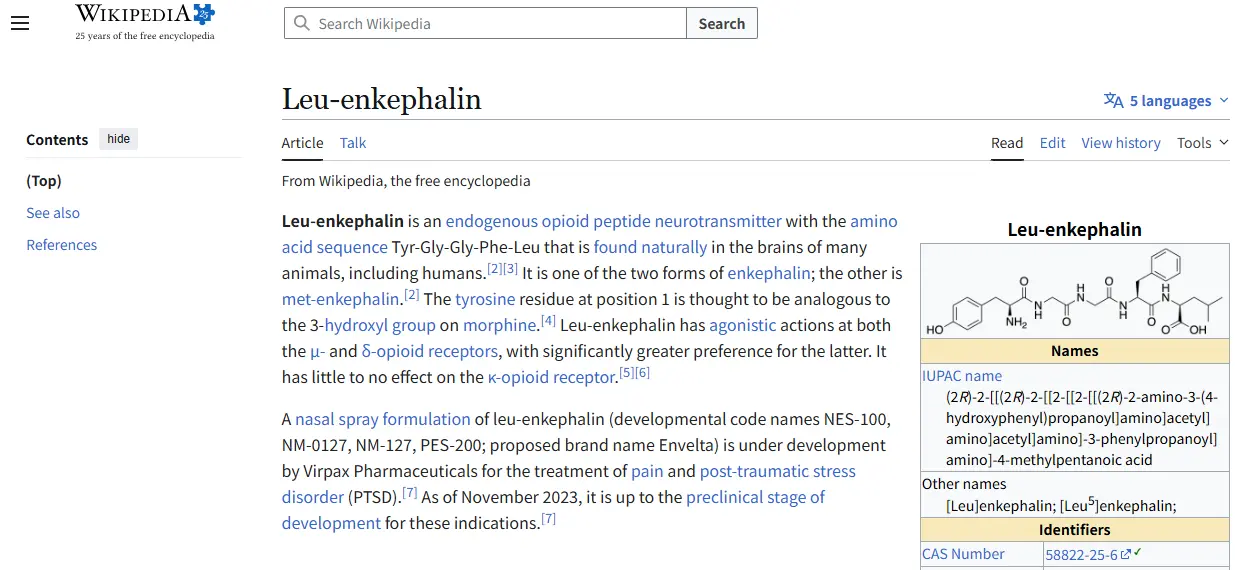
What Is Leu Enkephalin?
Leu enkephalin is a pentapeptide with the amino acid sequence Tyr-Gly-Gly-Phe-Leu. It is one of two main enkephalins, the other being Met-enkephalin. These peptides are derived from the precursor protein proenkephalin and are widely distributed throughout the nervous system.
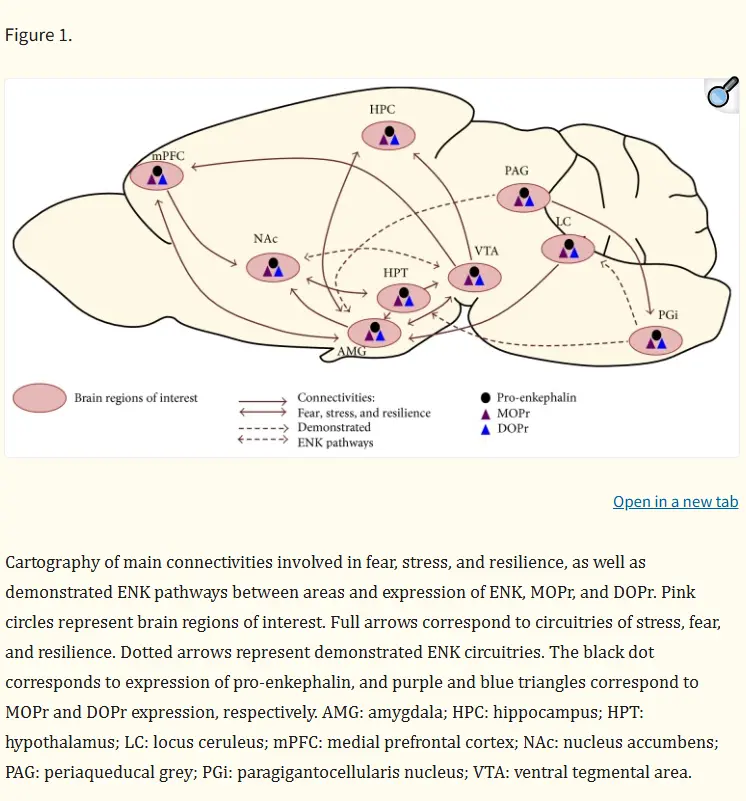
Leu enkephalin functions as a neurotransmitter or neuromodulator, meaning it can alter the activity of neurons and influence how signals are transmitted across synapses. It is particularly abundant in regions of the brain involved in pain processing, emotional regulation, and reward.
Mechanism of Action: Interaction with Opioid Receptors
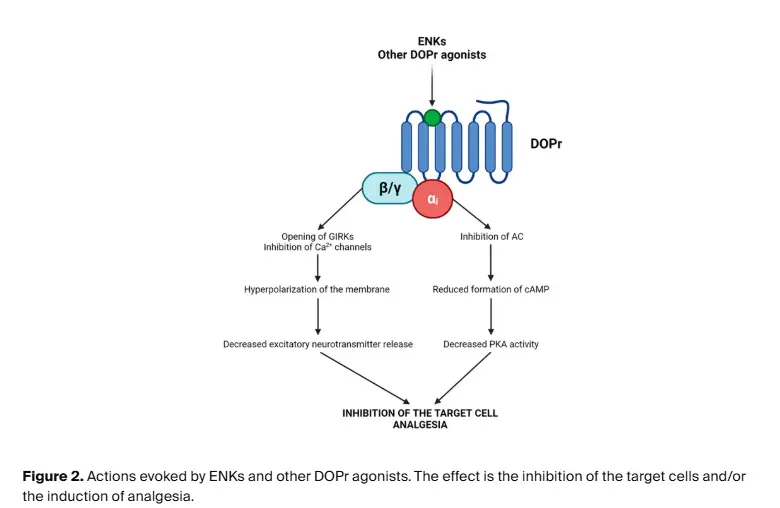
The primary mechanism of action of leu enkephalin involves its interaction with opioid receptors, especially delta (δ) and, to a lesser extent, mu (μ) receptors.
When leu enkephalin binds to these receptors, it activates G-protein–coupled signaling pathways that inhibit the release of neurotransmitters such as substance P and glutamate. This leads to a reduction in neuronal excitability and decreased transmission of pain signals.
Additionally, receptor activation can open potassium channels and close calcium channels, further suppressing synaptic activity. These effects collectively contribute to its analgesic (pain-relieving) properties.
Role in Pain Modulation
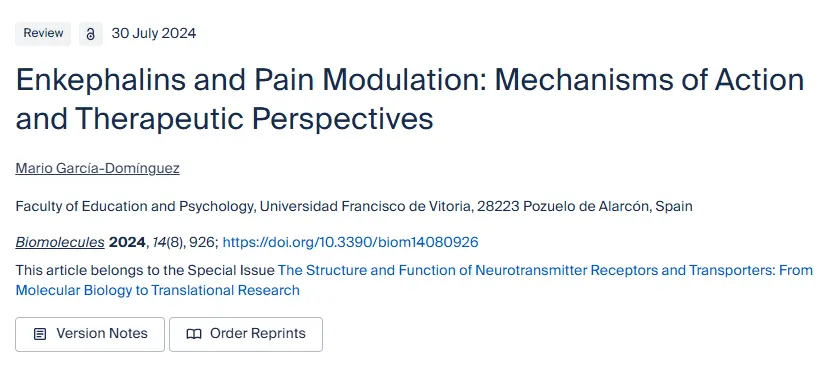
One of the most important functions of leu enkephalin is pain modulation. It acts as part of the body’s endogenous pain control system, helping to reduce the perception of pain under certain conditions.
Leu enkephalin is released in response to stress, injury, or inflammation, where it acts locally within the spinal cord and brain to dampen pain signals. This natural analgesic mechanism is essential for survival, as it allows the body to cope with acute stress and injury.
Unlike external opioid drugs, endogenous peptides like leu enkephalin are tightly regulated and typically do not produce the same level of dependence or side effects.
Influence on Stress and Emotional Regulation
Beyond pain control, leu enkephalin also plays a role in emotional and stress-related processes. It is involved in the regulation of mood, anxiety, and reward pathways.
By interacting with opioid receptors in brain regions such as the limbic system, leu enkephalin can influence emotional responses and promote a sense of well-being. It may also help buffer the effects of stress by modulating the hypothalamic–pituitary–adrenal (HPA) axis.
This function has led researchers to explore its potential involvement in psychiatric conditions such as depression and anxiety disorders.
Effects on Neurotransmission
Leu enkephalin acts as a neuromodulator, meaning it does not simply transmit signals but modifies how other neurotransmitters function.
It can inhibit the release of excitatory neurotransmitters while enhancing inhibitory signaling, thereby maintaining balance within neural circuits. This modulation is important for preventing excessive neuronal activity and maintaining stable brain function.
Because of its widespread distribution, leu enkephalin influences multiple systems, including motor control, cognition, and autonomic function.
Peripheral Functions and Immune Effects
Although primarily studied in the nervous system, leu enkephalin also has peripheral roles, including effects on the immune system.
Research suggests that enkephalins can modulate immune cell activity, inflammation, and tissue repair processes. They may act as signaling molecules between the nervous and immune systems, contributing to overall homeostasis.
These findings have sparked interest in the therapeutic potential of enkephalin-based compounds in inflammatory and immune-related diseases.
Clinical and Research Implications
While leu enkephalin itself is not commonly used as a drug due to its rapid degradation in the body, it has inspired the development of opioid-based therapeutics and enzyme inhibitors that prolong its activity.
Researchers are exploring ways to enhance endogenous enkephalin signaling as an alternative to traditional opioid medications, with the goal of achieving pain relief while minimizing addiction risk.
This approach represents a promising direction in the search for safer analgesics.
Conclusion
Leu enkephalin is a vital endogenous opioid peptide that plays a central role in pain modulation, emotional regulation, and neural signaling. By interacting with opioid receptors, it helps reduce pain, regulate stress, and maintain balance within the nervous system.
Although it is not widely used as a therapeutic agent, its biological functions have significantly influenced the development of modern pain treatments and continue to guide research into safer and more effective therapies.