




Keyword:Larazotide,258818-34-7
Larazotide is an investigational oral peptide drug that has attracted significant attention in gastrointestinal and autoimmune disease research. It is primarily studied for its ability to regulate intestinal permeability and protect the intestinal barrier. Because abnormal intestinal permeability—often referred to as “leaky gut”—has been associated with several inflammatory and autoimmune disorders, larazotide is being explored as a potential therapy for conditions such as celiac disease and other gut-related inflammatory diseases.
Unlike many drugs that suppress immune responses, larazotide works by targeting the integrity of the intestinal epithelium itself. By strengthening tight junctions between intestinal cells, the drug may help prevent harmful substances from passing through the gut lining and triggering inflammation. This unique mechanism has made larazotide one of the most promising therapeutic candidates in intestinal barrier research.
Understanding the Intestinal Barrier and Tight Junctions
The intestinal barrier plays a critical role in maintaining digestive and immune health. The lining of the small intestine consists of epithelial cells that are tightly connected by structures known as tight junctions. These junctions regulate what substances can pass from the intestinal lumen into the bloodstream.Under healthy conditions, tight junctions allow the absorption of nutrients while blocking harmful molecules such as toxins, pathogens, and undigested proteins. However, when tight junctions become disrupted, intestinal permeability increases. This condition allows inflammatory molecules to cross the intestinal barrier and activate immune responses.
Research has shown that increased intestinal permeability may contribute to autoimmune and inflammatory diseases, including celiac disease, inflammatory bowel disease, and certain metabolic disorders. Because of this, drugs that help restore tight junction function are an important focus in gastrointestinal medicine.Larazotide works specifically at this level by modulating the signaling pathways that control tight junction opening and closing.
Mechanism of Action: How Larazotide Works
Larazotide acetate is a synthetic peptide derived from a fragment of the Vibrio cholerae zonula occludens toxin. Scientists discovered that certain fragments of this toxin could regulate tight junctions without causing intestinal damage. Larazotide was developed to harness this regulatory function in a safe and controlled way.The drug acts as a tight junction regulator. It prevents excessive opening of the tight junctions that connect intestinal epithelial cells. By stabilizing these junctions, larazotide helps maintain the barrier function of the intestinal lining and reduces the passage of inflammatory molecules into the bloodstream.
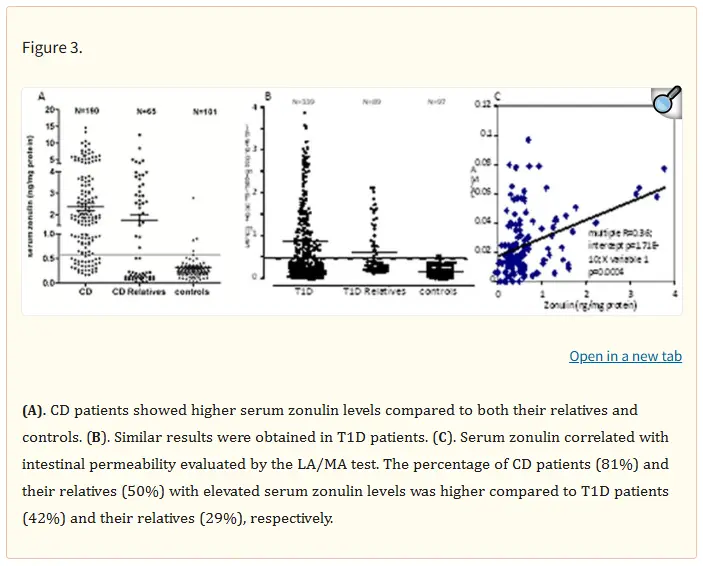
In conditions like celiac disease, gluten exposure can trigger the release of zonulin, a protein that increases intestinal permeability. Larazotide appears to counteract this process by inhibiting zonulin-mediated tight junction disassembly. As a result, fewer gluten-derived peptides cross the intestinal barrier and activate the immune system.This mechanism allows larazotide to target one of the earliest steps in disease development rather than simply treating symptoms after inflammation occurs.
Larazotide and Celiac Disease Treatment
The primary clinical application of larazotide is in the treatment of celiac disease. Celiac disease is an autoimmune disorder triggered by the ingestion of gluten, a protein found in wheat, barley, and rye. When individuals with celiac disease consume gluten, their immune system attacks the lining of the small intestine, leading to inflammation and damage to intestinal villi.Currently, the only widely accepted treatment for celiac disease is a strict gluten-free diet. However, maintaining a completely gluten-free diet can be extremely challenging, and even small amounts of accidental gluten exposure can trigger symptoms.
Larazotide has been studied as an adjunct therapy to help protect patients from the effects of inadvertent gluten exposure. Clinical trials have shown that the drug may reduce gastrointestinal symptoms such as abdominal pain, bloating, and diarrhea in patients who experience persistent symptoms despite following a gluten-free diet.Because larazotide acts locally in the gut and is minimally absorbed into the bloodstream, it may offer a targeted therapeutic approach with a relatively favorable safety profile.

Potential Applications Beyond Celiac Disease
Although celiac disease is the most advanced area of research for larazotide, scientists are also investigating its potential use in other conditions related to intestinal barrier dysfunction.Increased intestinal permeability has been implicated in disorders such as inflammatory bowel disease (IBD), irritable bowel syndrome (IBS), food allergies, and certain metabolic conditions. By restoring tight junction integrity, larazotide may help reduce intestinal inflammation and improve gut barrier function in these diseases.
Additionally, emerging research suggests that the gut barrier may influence systemic immune responses and even neurological conditions through the gut–brain axis. As a result, drugs that stabilize intestinal permeability are gaining interest across multiple areas of biomedical research.While these potential applications remain under investigation, they highlight the broader significance of targeting intestinal barrier function as a therapeutic strategy.
Safety and Clinical Research Status
Larazotide acetate has undergone multiple clinical trials evaluating its safety and effectiveness in patients with celiac disease. Studies have generally reported good tolerability, with most side effects being mild gastrointestinal symptoms.
Because the drug is designed to act locally in the intestinal lumen rather than systemically, its risk of widespread systemic effects may be lower compared with many traditional immunosuppressive therapies.
Despite promising trial results, larazotide has not yet been widely approved as a commercial medication in many countries. Research is ongoing to further evaluate its long-term efficacy and its potential role as part of combination therapy for celiac disease.
Conclusion
Larazotide is a novel peptide drug designed to regulate intestinal permeability and strengthen the gut barrier. Its primary function is to stabilize tight junctions between intestinal epithelial cells, helping to prevent inflammatory molecules from crossing the intestinal lining.
This mechanism makes larazotide particularly promising for the treatment of celiac disease, where increased intestinal permeability plays a key role in disease development. By reducing the effects of accidental gluten exposure, larazotide may provide an additional therapeutic option for patients who continue to experience symptoms despite following a gluten-free diet.
As research into intestinal barrier biology continues to expand, larazotide represents an important step toward therapies that address the root causes of gut-related immune disorders rather than only managing their symptoms.