




Keyword:Pemvidutide,2538014-94-5
Pemvidutide is an investigational peptide-based therapeutic that has gained growing attention in the fields of metabolic disease, obesity management, and liver health. Developed as a dual receptor agonist, pemvidutide targets key metabolic pathways involved in appetite regulation, energy balance, and fat metabolism. Because obesity and metabolic disorders such as nonalcoholic fatty liver disease (NAFLD) and metabolic dysfunction–associated steatohepatitis (MASH) are becoming global health concerns, drugs that address both weight loss and metabolic improvement are a major focus of modern pharmaceutical research.
Pemvidutide is designed to activate two important hormone receptors involved in metabolic control: the glucagon receptor and the GLP-1 receptor. By simultaneously influencing these pathways, the drug may help reduce body weight, improve lipid metabolism, and support liver health. This dual-agonist strategy represents a new generation of metabolic therapies aimed at addressing multiple disease mechanisms at once.
Understanding the Hormonal Targets of Pemvidutide
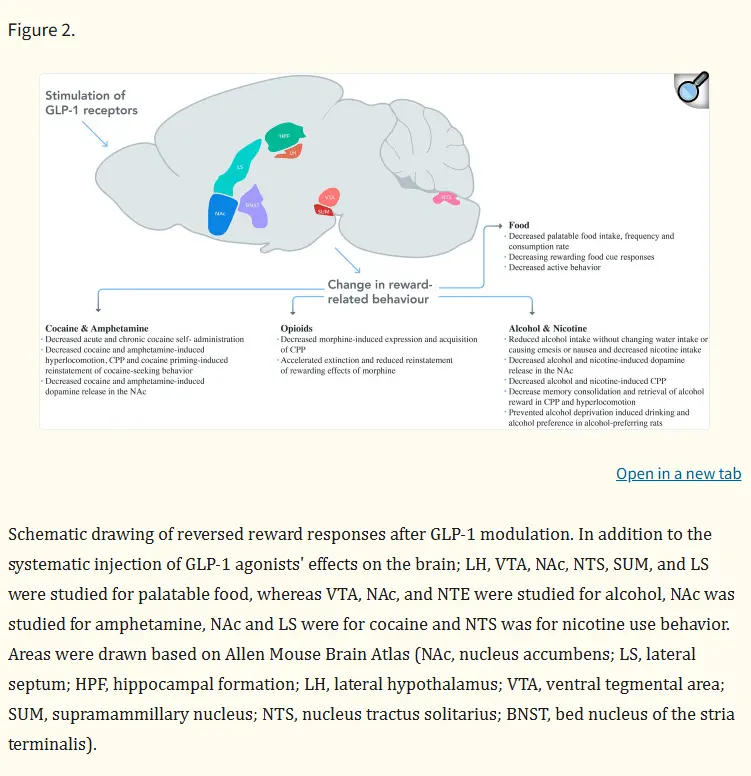
To understand how pemvidutide works, it is important to first look at the hormones it mimics or activates. The drug is designed to act as a GLP-1/glucagon dual receptor agonist, meaning it activates receptors for both glucagon-like peptide-1 (GLP-1) and glucagon.GLP-1 is a naturally occurring hormone released from the gut after food intake. It plays a critical role in regulating appetite, slowing gastric emptying, and promoting insulin secretion. Because of these effects, GLP-1 receptor agonists are already widely used in the treatment of type 2 diabetes and obesity.
Glucagon, on the other hand, is traditionally known as a hormone that increases blood glucose levels by stimulating glucose production in the liver. However, glucagon signaling also plays a role in increasing energy expenditure and promoting fat metabolism. When carefully balanced with GLP-1 activation, glucagon receptor stimulation may help enhance weight loss and reduce liver fat.Pemvidutide combines these two hormonal mechanisms into a single peptide therapy designed to optimize metabolic benefits.
Mechanism of Action: How Pemvidutide Works
Pemvidutide works by binding to and activating both GLP-1 and glucagon receptors. Activation of the GLP-1 receptor helps reduce appetite, increase satiety, and slow gastric emptying. These effects can lead to lower calorie intake and gradual weight reduction.At the same time, stimulation of the glucagon receptor increases energy expenditure and promotes the breakdown of stored fat. This process can enhance metabolic activity and support weight loss beyond what GLP-1 signaling alone might achieve.
The combined activation of these receptors may also influence liver metabolism. By increasing fatty acid oxidation and reducing fat accumulation in liver cells, pemvidutide may help improve conditions associated with excess liver fat.This dual-agonist mechanism is considered particularly promising because it targets both sides of the energy balance equation—reducing energy intake while increasing energy expenditure.
Pemvidutide and Weight Loss Research
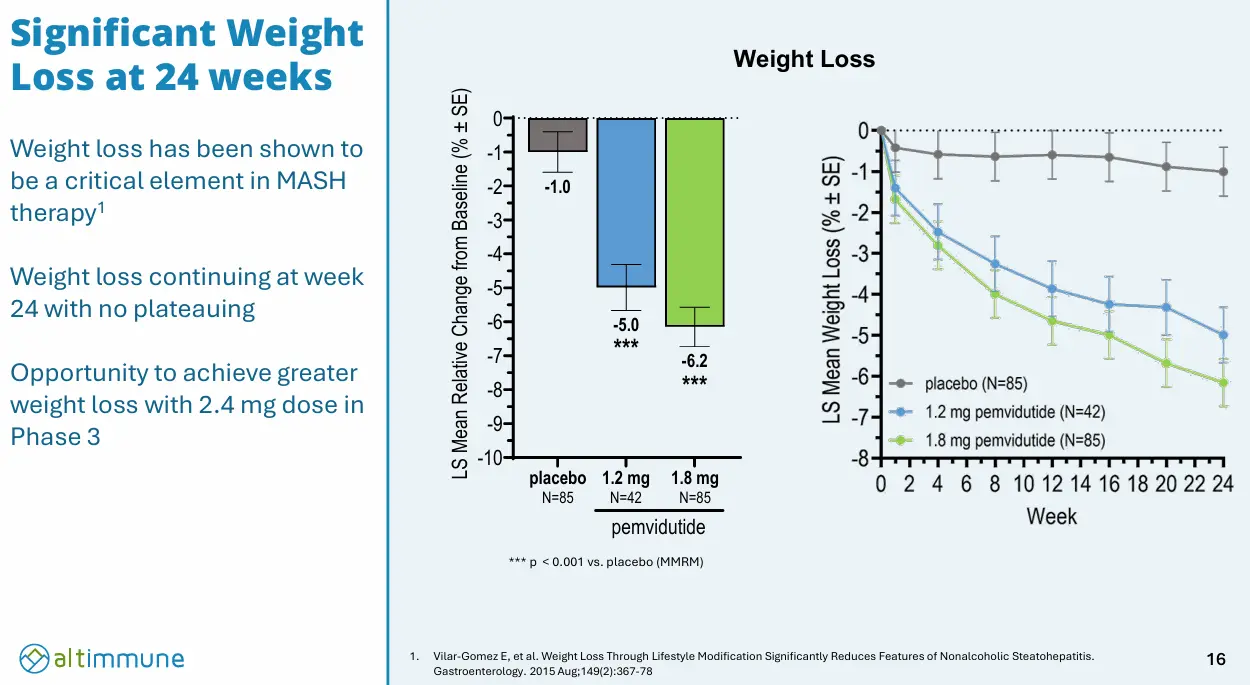
One of the primary areas of investigation for pemvidutide is obesity treatment. Obesity is a complex metabolic disease involving hormonal dysregulation, altered appetite control, and impaired energy metabolism. Traditional weight-loss strategies such as diet and exercise often produce limited long-term results, which is why pharmacological approaches have become increasingly important.Clinical studies have shown that GLP-1–based therapies can produce significant weight reduction. By incorporating glucagon receptor activation, pemvidutide may further enhance these effects through increased calorie expenditure and fat oxidation.
Early clinical trial results suggest that pemvidutide may lead to meaningful reductions in body weight while also improving metabolic health markers such as lipid levels and insulin sensitivity. Although research is ongoing, these findings suggest the drug could become part of a new generation of obesity treatments.
Potential Benefits for Liver Disease
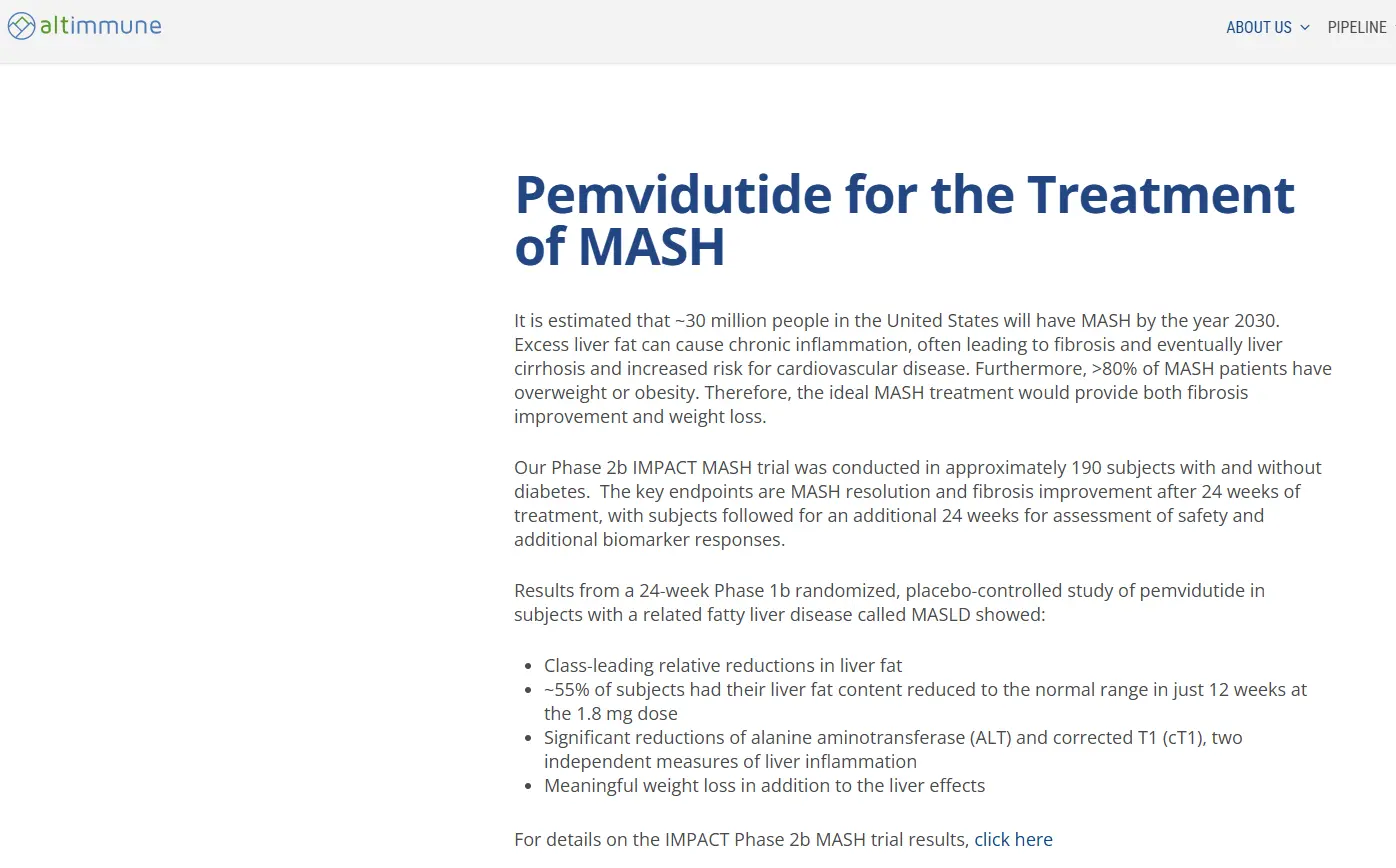
Another important research area for pemvidutide is the treatment of fatty liver disease, including metabolic dysfunction–associated steatotic liver disease (MASLD) and metabolic dysfunction–associated steatohepatitis (MASH). These conditions occur when excess fat accumulates in the liver and triggers inflammation and tissue damage.Because pemvidutide influences both weight loss and fat metabolism, it may help reduce liver fat content and improve liver function. Activation of glucagon receptors can increase lipid oxidation in the liver, while GLP-1 signaling may improve insulin sensitivity and reduce inflammation.
Researchers believe that combining these mechanisms may help address several key drivers of fatty liver disease simultaneously. As a result, pemvidutide is currently being studied as a potential therapeutic option for patients with obesity-related liver disorders.
Safety and Clinical Development
Pemvidutide is still under clinical investigation and has not yet been widely approved for routine medical use. Ongoing clinical trials are evaluating its safety, tolerability, and effectiveness in treating obesity and metabolic liver disease.Because pemvidutide activates the GLP-1 receptor, its side-effect profile may resemble that of other GLP-1 receptor agonists. These medications can sometimes cause gastrointestinal symptoms such as nausea, vomiting, or reduced appetite, particularly during the early stages of treatment.
Researchers are continuing to study optimal dosing strategies and long-term safety outcomes to determine whether pemvidutide can become a viable therapeutic option in metabolic medicine.
Conclusion
Pemvidutide is an innovative dual-agonist peptide designed to target both GLP-1 and glucagon receptors. Through this combined mechanism, it may help regulate appetite, increase energy expenditure, and improve fat metabolism. These effects make pemvidutide a promising candidate for the treatment of obesity and metabolic liver diseases.
By addressing multiple metabolic pathways simultaneously, pemvidutide represents a new approach in the development of therapies for complex metabolic disorders. As ongoing clinical trials continue to evaluate its safety and effectiveness, the drug may play an important role in future strategies for managing obesity and related metabolic conditions.