




In the research of peptide biology, P21 peptide (CAS: 1246751-68-7) has emerged as an interdisciplinary research hotspot in cell cycle regulation, neuroprotection and tumor research due to its diverse biological activities. As an artificially synthesized tetrapeptide derived from amino acids 148-151 of ciliary neurotrophic factor (CNTF), it has undergone structural optimization that not only circumvents the drawbacks of natural CNTF—such as its tendency to induce antibody production and poor blood-brain barrier permeability—but also retains its core functions, making it a unique carrier for basic scientific research and drug translation.

Cell cycle regulation is its core characteristic. As a CDK inhibitor, P21 peptide can specifically inhibit the activity of CDK2/CDK4 and mediate G1 phase arrest. A 1999 study published in Cancer Research confirmed its growth-inhibitory effect on lymphoma cells (PMID: 10416614), and subsequent research further found that it can respond to DNA damage through a p53-dependent pathway. A 2025 study demonstrated that sodium glycodiazole can synergize with cisplatin to upregulate P21 expression in lung adenocarcinoma cells, revealing a novel mechanism for its role in chemotherapy sensitization.
Structural modification of the C-terminal adamantane moiety is the key to its application breakthrough, which significantly enhances its stability and blood-brain barrier permeability. Animal experiments have shown that it can upregulate BDNF levels and promote neuronal plasticity. A 2025 study by an Italian research team found that P21 peptide can regulate hippocampal neurogenesis and participate in the pathological processes of mood disorders and brain injury; meanwhile, it can reduce the deposition of tau protein and amyloid plaques associated with Alzheimer's disease, providing a new direction for the intervention of neurodegenerative diseases.
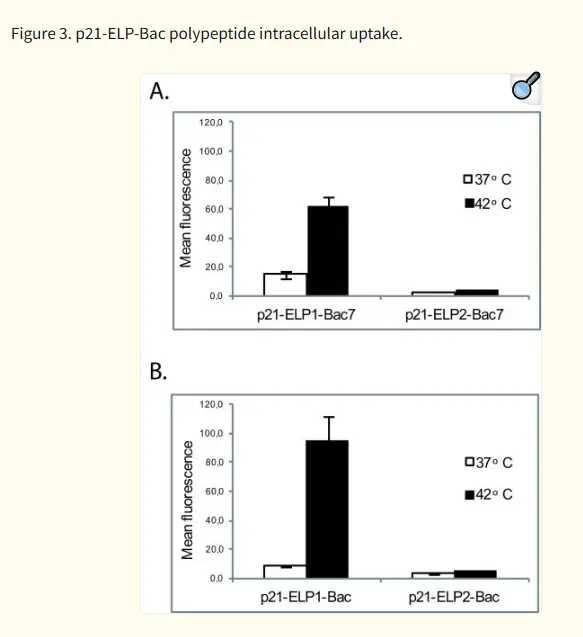
In the field of tumor targeted therapy, its potential for combination therapy has become increasingly prominent. A 2002 study in the Journal of Peptide Research identified its core active sequence (PMID: 12383116). Further 2025 research confirmed that thermally targeted P21 peptide can enhance the cytotoxicity of bortezomib against castration-resistant prostate cancer cells and reduce chemotherapy side effects, offering a new strategy for the treatment of refractory tumors and demonstrating promising prospects for precision drug delivery.
From cell cycle regulation to neuroprotection, from the study of single biological activity to the exploration of combination therapy, the scientific research value of P21 peptide continues to unfold. With its structural advantages and diverse biological activities, this small-molecule peptide builds a bridge between basic research and clinical translation, injecting new vitality into the development of innovative therapeutic regimens for tumors, neurological diseases and other fields.