




In the field of immunomodulation, thymus-derived bioactive peptides have long been a focal point of research in the scientific community. Thymalin (CAS No. 79621-14-0), a polypeptide complex isolated from bovine thymus, is gradually revealing its unique biological regulatory functions with the deepening of research. It is not a simple "immunopotentiator", but provides core support for the body's immune homeostasis through the precise regulation of thymic function.
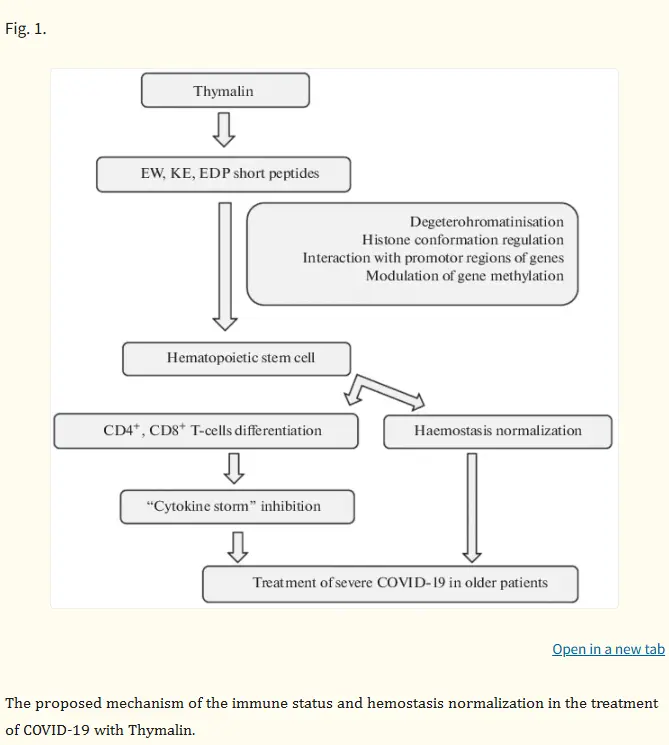
As early as the 1970s, Soviet scientists began to explore the value of Thymalin, which was initially used to enhance the immune resilience of astronauts and soldiers to cope with the body's stress responses in extreme environments. Its core mechanism of action lies in regulating the expression of thymus-related genes, promoting the differentiation and maturation of T lymphocytes, while modulating the activity of natural killer (NK) cells and restoring the imbalanced proportion of immune subsets. Studies have confirmed that Thymalin can precisely regulate the synthesis of immune proteins through its short peptide components such as KE, EW and EDP binding to DNA or histones, thereby avoiding excessive inflammatory responses.
Clinical research data provide strong evidence for its value. In the treatment of severe COVID-19 patients, elderly patients receiving combined Thymalin therapy showed a significantly accelerated recovery rate of indicators such as lymphocyte count and C-reactive protein, with a 50% reduction in in-hospital mortality. The core reason is that it effectively inhibits the occurrence of "cytokine storm". Another long-term study showed that regular administration of Thymalin can reduce the incidence of acute respiratory diseases in the elderly by 2.0 to 2.4 times, significantly delaying the process of immunosenescence.
It is worth noting that Thymalin is often confused with Thymulin, a thymic peptide of the same category, but there are clear differences in their fields of action. Thymalin focuses more on regulating the production of intrathymic peptides to indirectly support the immunomodulatory process, rather than directly repairing the thymic tissue itself. Its safety has been verified in multiple clinical trials, with only mild and transient adverse reactions such as slight redness and swelling at the injection site and temporary fatigue reported occasionally, and no obvious systemic toxicity observed.
From basic immune regulation to adjuvant therapy for severe infections, from anti-aging research to inflammatory intervention, the diverse values of Thymalin (79621-14-0) are still under exploration. Such bioactive peptides derived from the body itself, with their precise regulatory effects and excellent safety, provide new ideas for the prevention and treatment of immune-related diseases, and also let us see the enormous potential of natural biomolecules in the medical field.
Keyword:Thymalin,79621-14-0,thymalin peptide,Thymalin Immunomodulatory Peptide